


What it is
From assessment to action
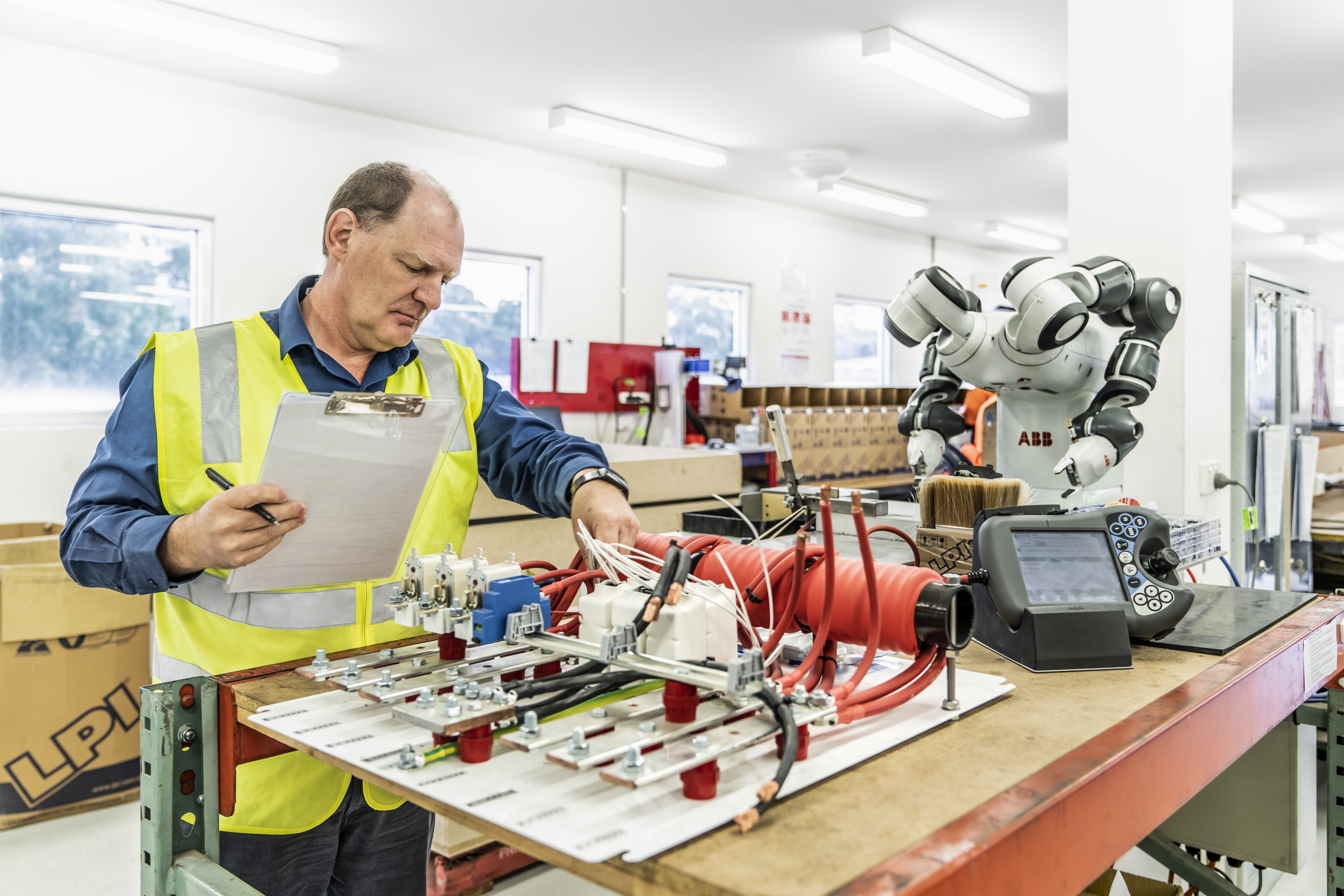
A lightning risk assessment (LRA) determines whether a site and its surroundings are at risk of direct and indirect strikes, and whether a protection system is needed to mitigate risks to assets and personnel.
What we evaluate
Five inputs into every risk assessment
Each LRA draws on site visits, measurement and engineering judgement. Nothing is assumed. Every input is specific to your facility.

Layout, Environment and Lightning Ground Flash Density

Dimensions, Assets, Personnel Activities, and Hazard Review

Test and Measurement – Bonding, Earthing and Interconnectivity

Services in/out of the site

Determination of Potential Losses
How we help
A four-step engagement
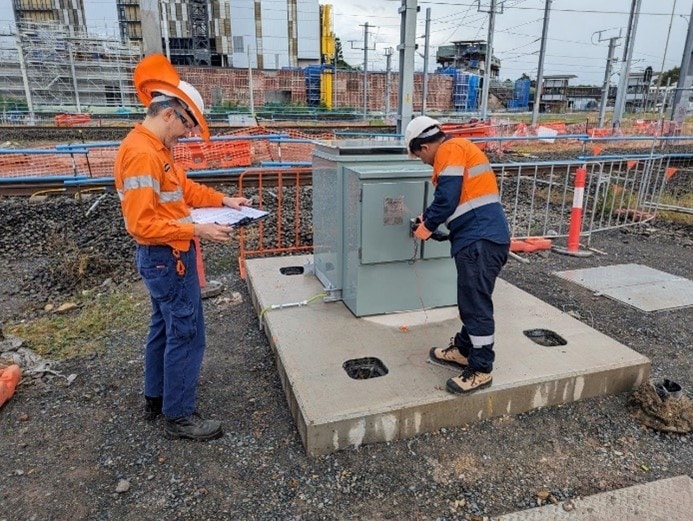
A clear, predictable process that can be easily scaled from a single building to multi-site projects.
Our standards & compliance
Every report grounded in a recognised framework
Lightning protection design meeting Australian & international standards
AS 1768:2021
IEC 62305
NFPA 780
NF C 17-102
Quality, environmental & safety compliance certificates
ISO 9001:2015
ISO 14001:2015
ISO 45001:2018
Protection Plan
Comprehensive Lightning Protection
Well-designed systems protect people, infrastructure and automation together, never in isolation.
Selected projects
Risk analysis across landmark & critical sites.
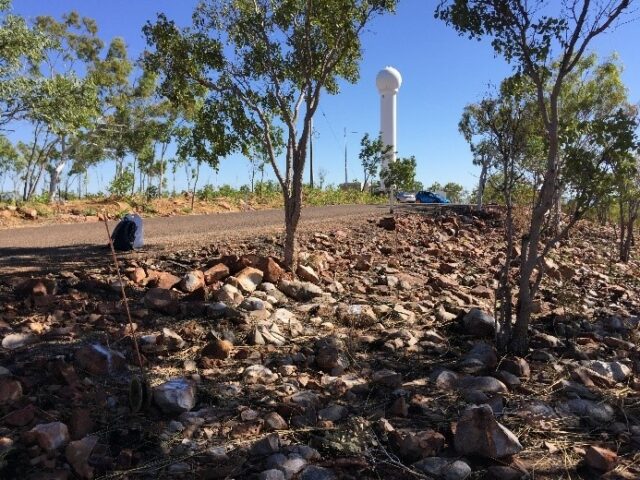
Lightning Protection Surveys, Bureau of Meteorology Sites (2018)
Our extensive experience with lightning problems was utilised by Australia’s Bureau of Meteorology for improving lightning mitigation at…
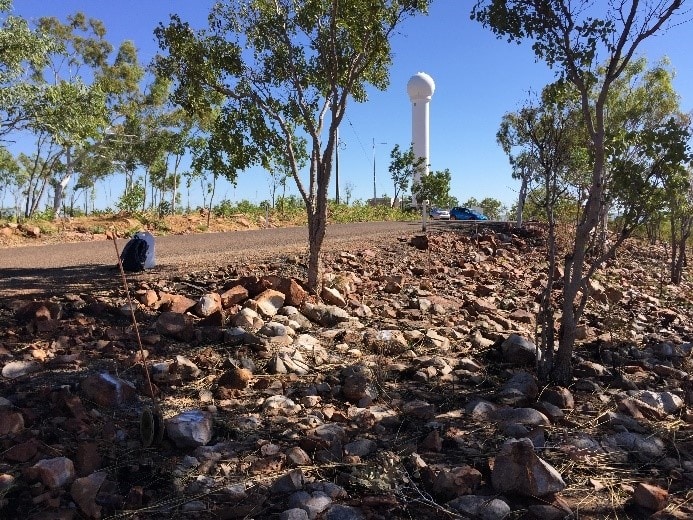
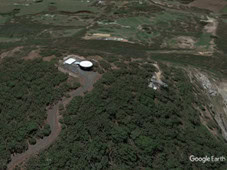
Lightning Protection Surveys, Bureau of Meteorology Sites (2018)
Our extensive experience with lightning problems was utilised by Australia’s Bureau of Meteorology for improving lightning mitigation at…
Our extensive experience with lightning problems was utilised by Australia’s Bureau of Meteorology for improving lightning mitigation at radar sites that had experienced recurring equipment damage from thunderstorms. Our consultants conducted detailed investigations at both locations, performing soil resistivity tests, earth grid continuity and resistance tests, surge and transient protection inspections, and direct-strike assessments. The Bureau was provided with comprehensive recommendations and proposed actions to mitigate the ongoing issues.
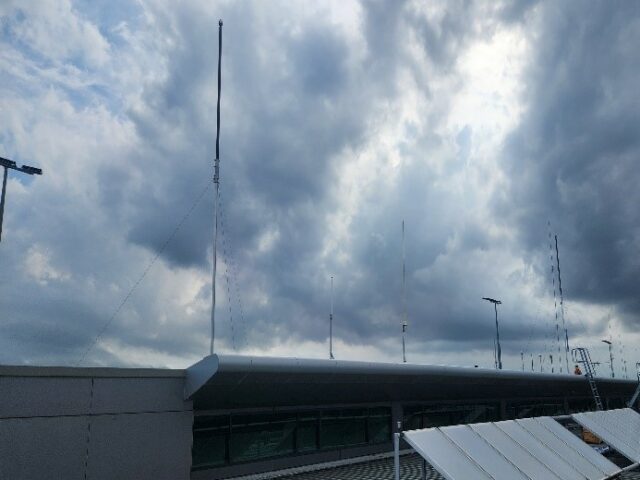
Lightning Protection Survey and Upgrades (Defence Sites) (2023-2024)
The Department of Defence commissioned us to conduct a lightning protection survey of the communications infrastructure and existing…
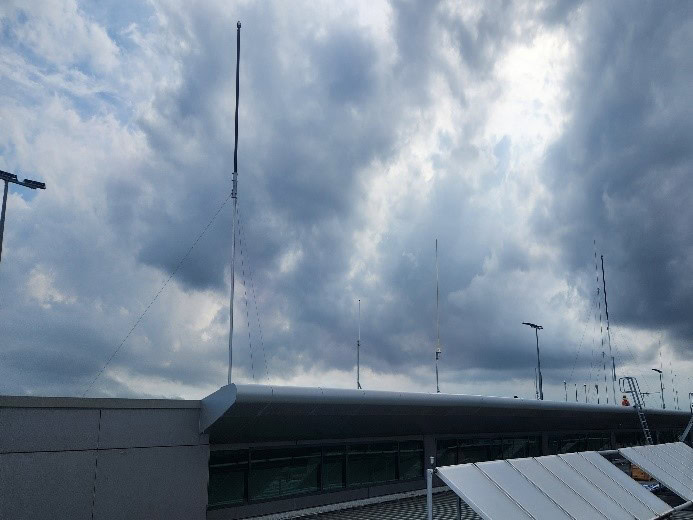
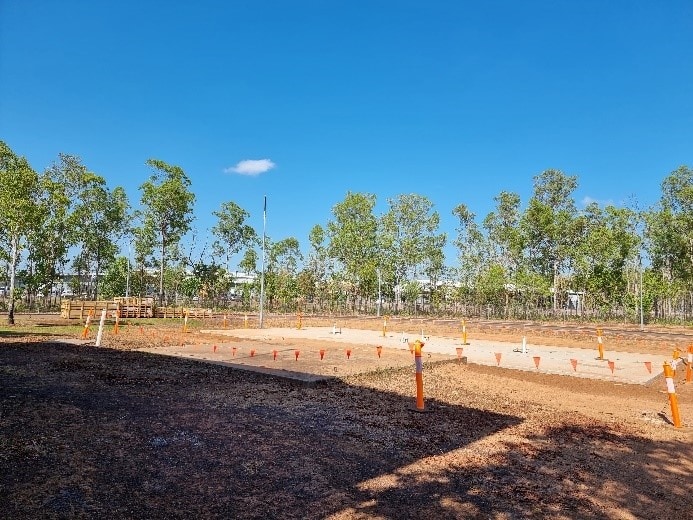
Lightning Protection Survey and Upgrades (Defence Sites) (2023-2024)
The Department of Defence commissioned us to conduct a lightning protection survey of the communications infrastructure and existing…
The Department of Defence commissioned us to conduct a lightning protection survey of the communications infrastructure and existing lightning protection systems at four different locations across Australia. Our consultants and channel partners conducted thorough surveys and performed gap analyses. Based on the assessment, we designed lightning protection systems adhering to relevant standards. The tailored solutions provided to the Client, involving direct-strike and surge protection along with earthing and bonding in some cases, were implemented by our channel partners to the standards required by the Client.
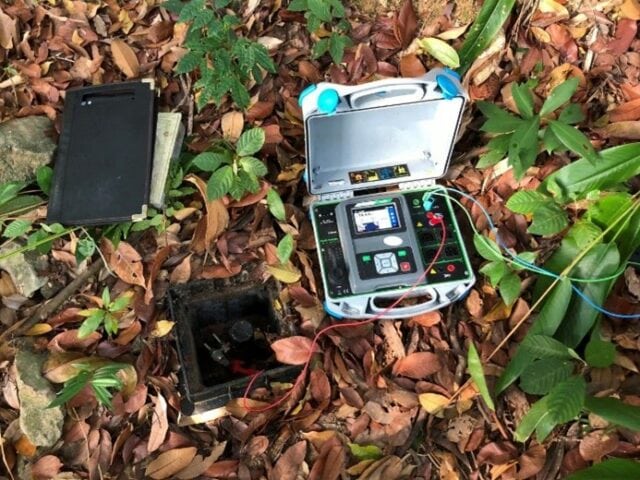
Lightning Protection Survey of Island Resort, Cambodia (2024)
South East Asia has frequent, intense thunderstorms and equipment damage is prevalent in many locations, especially isolated and…
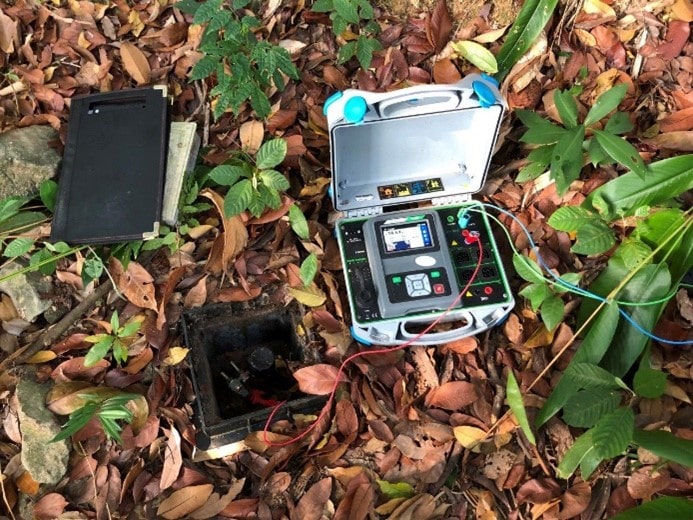
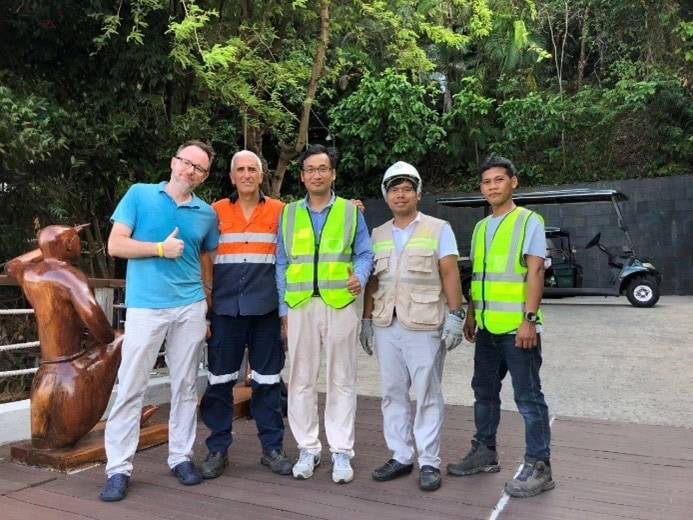
Lightning Protection Survey of Island Resort, Cambodia (2024)
South East Asia has frequent, intense thunderstorms and equipment damage is prevalent in many locations, especially isolated and…
South East Asia has frequent, intense thunderstorms and equipment damage is prevalent in many locations, especially isolated and prominent ones like islands, which typically have very poor soil and hence high resistivity. LPI was called to solve lightning problems on such an island that houses a luxury resort. This involved a site visit, analysis and calculations upon to return to the office, and detailed formulation of innovative solutions to overcome the unique features of the island that revolved around surge and transient protection and earthing issues.