




The risk
Renewables, water & gas
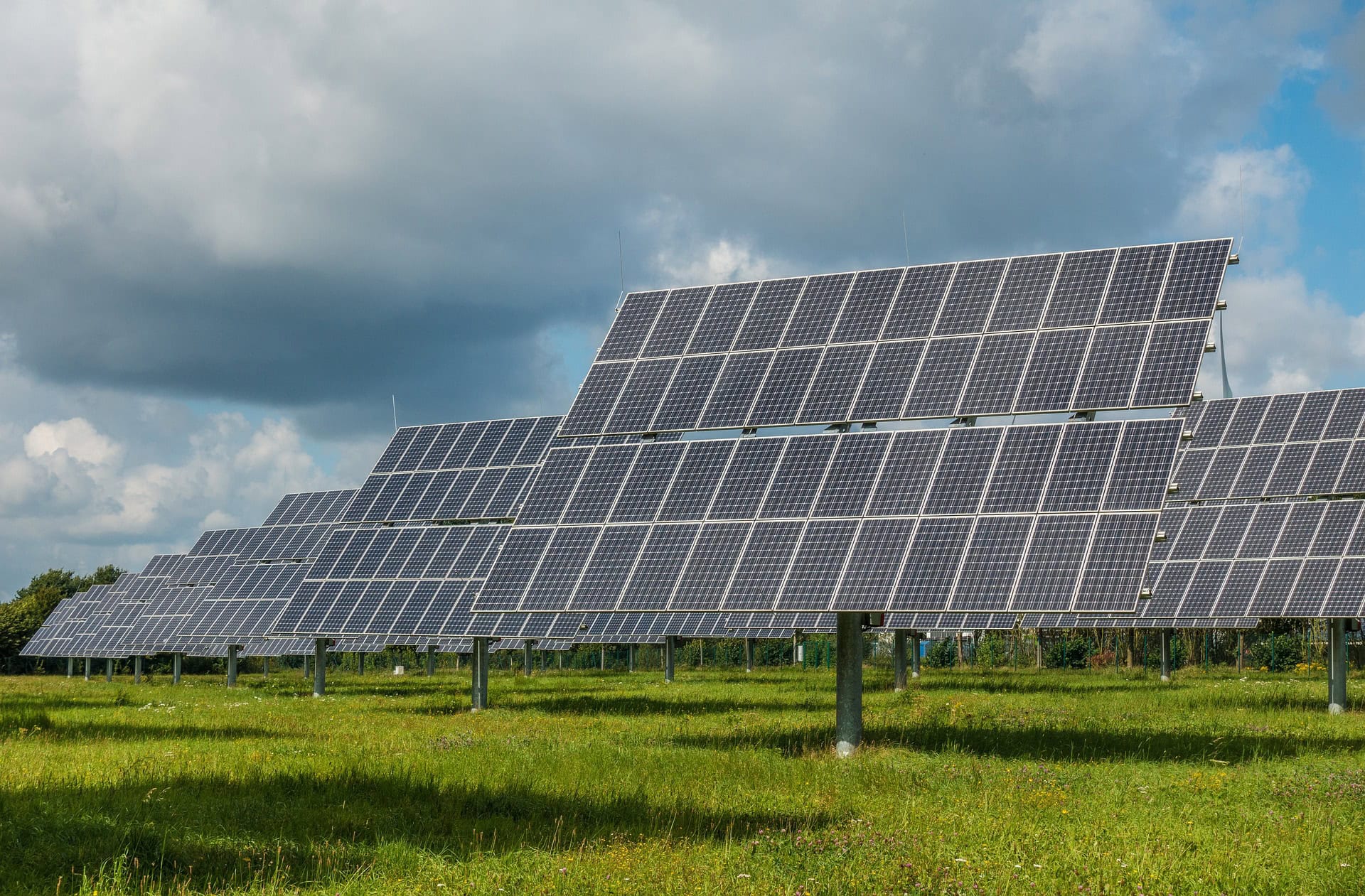
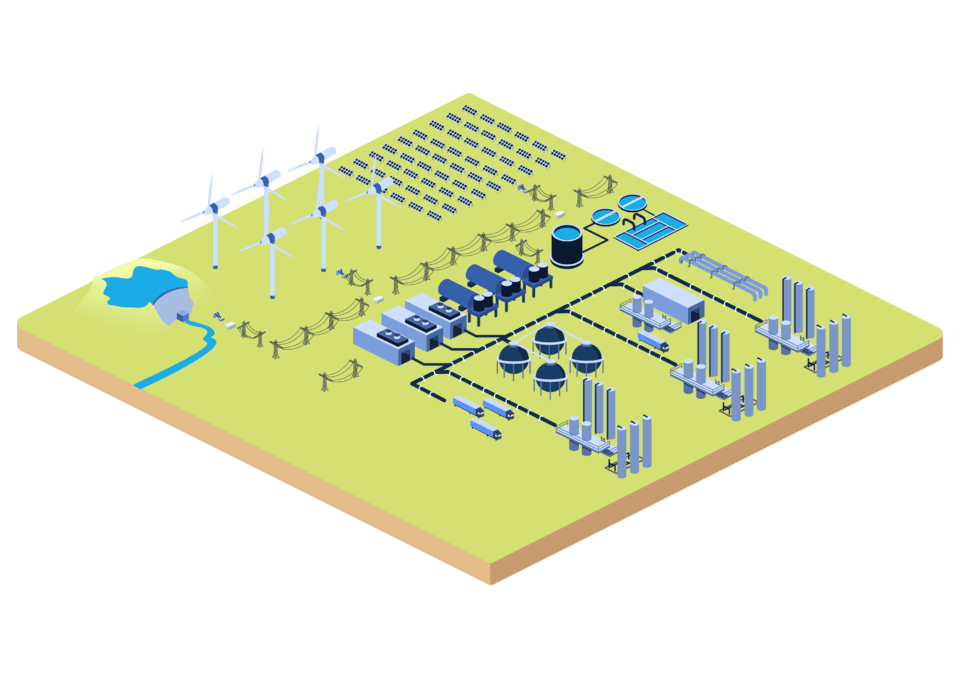
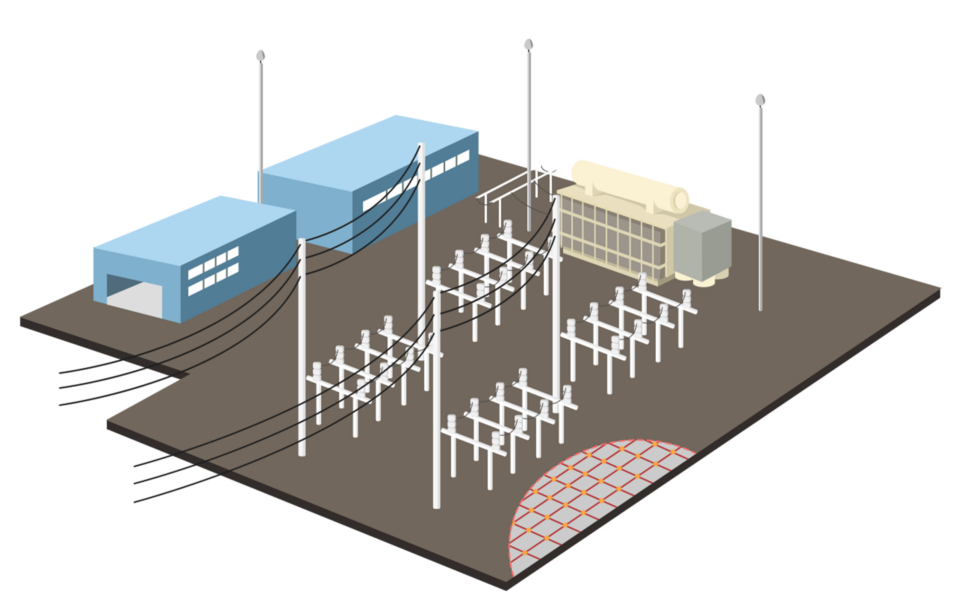
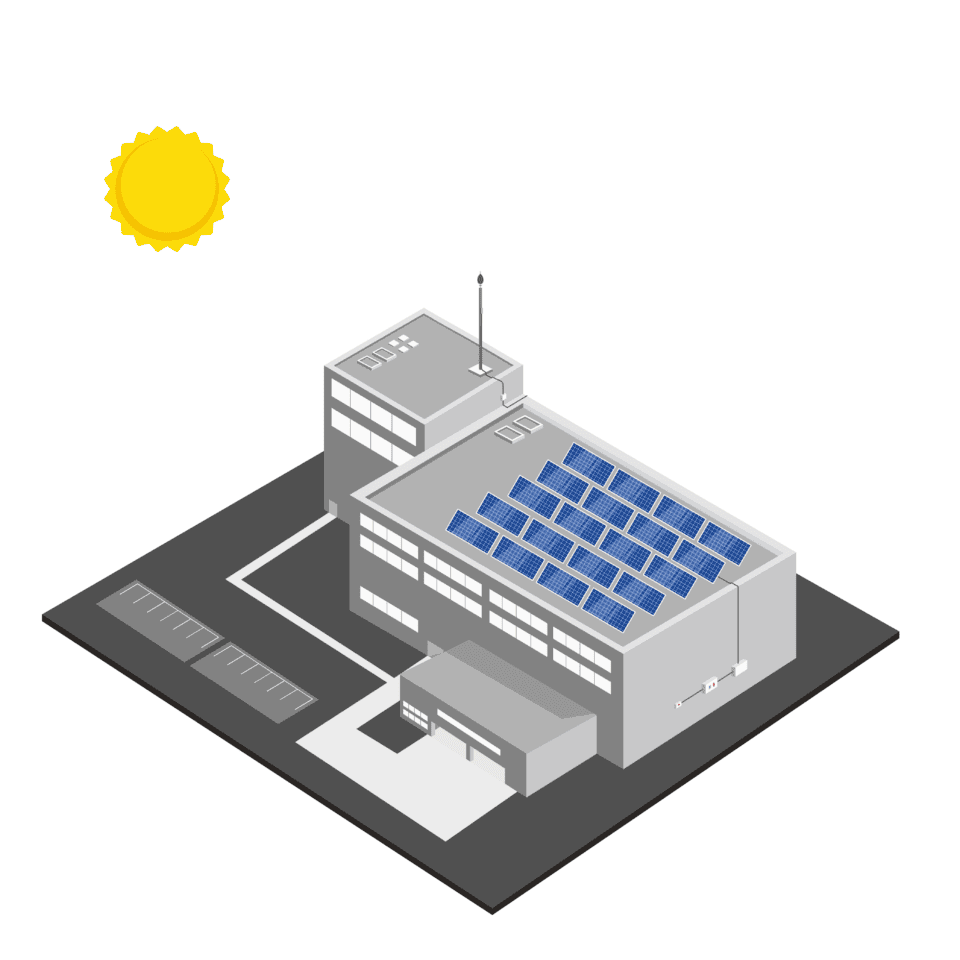
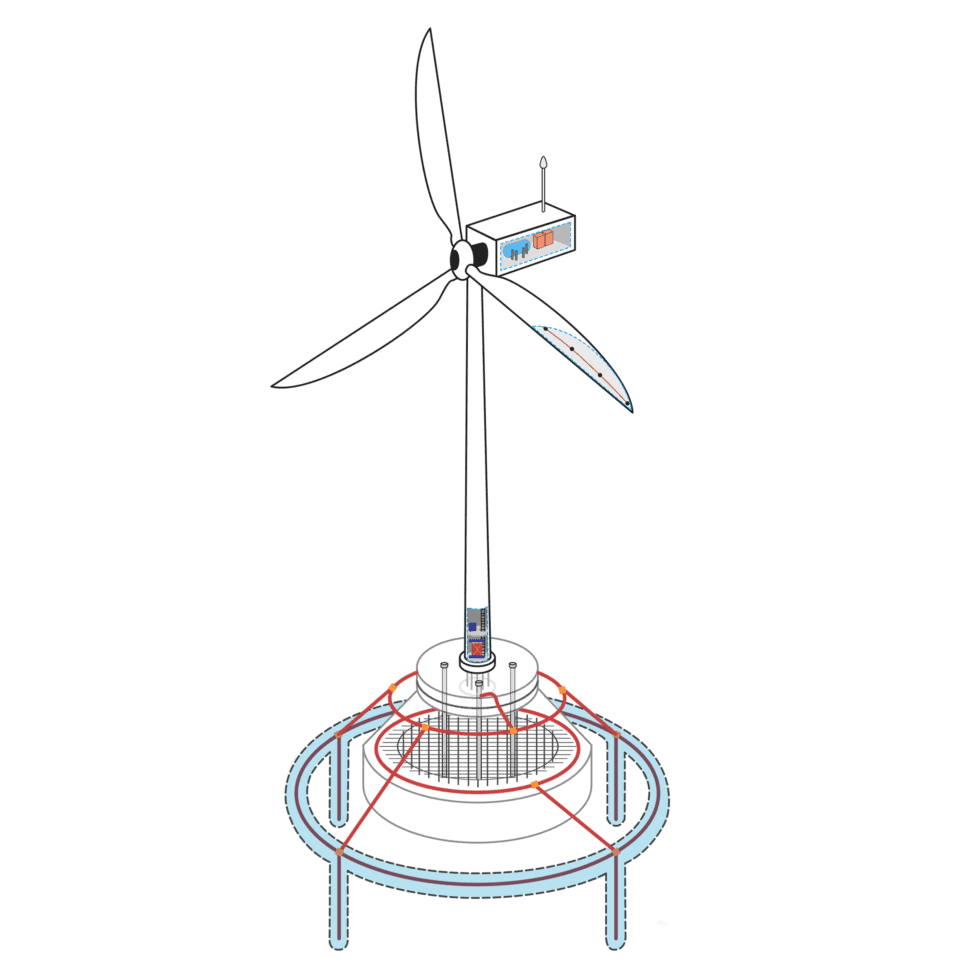
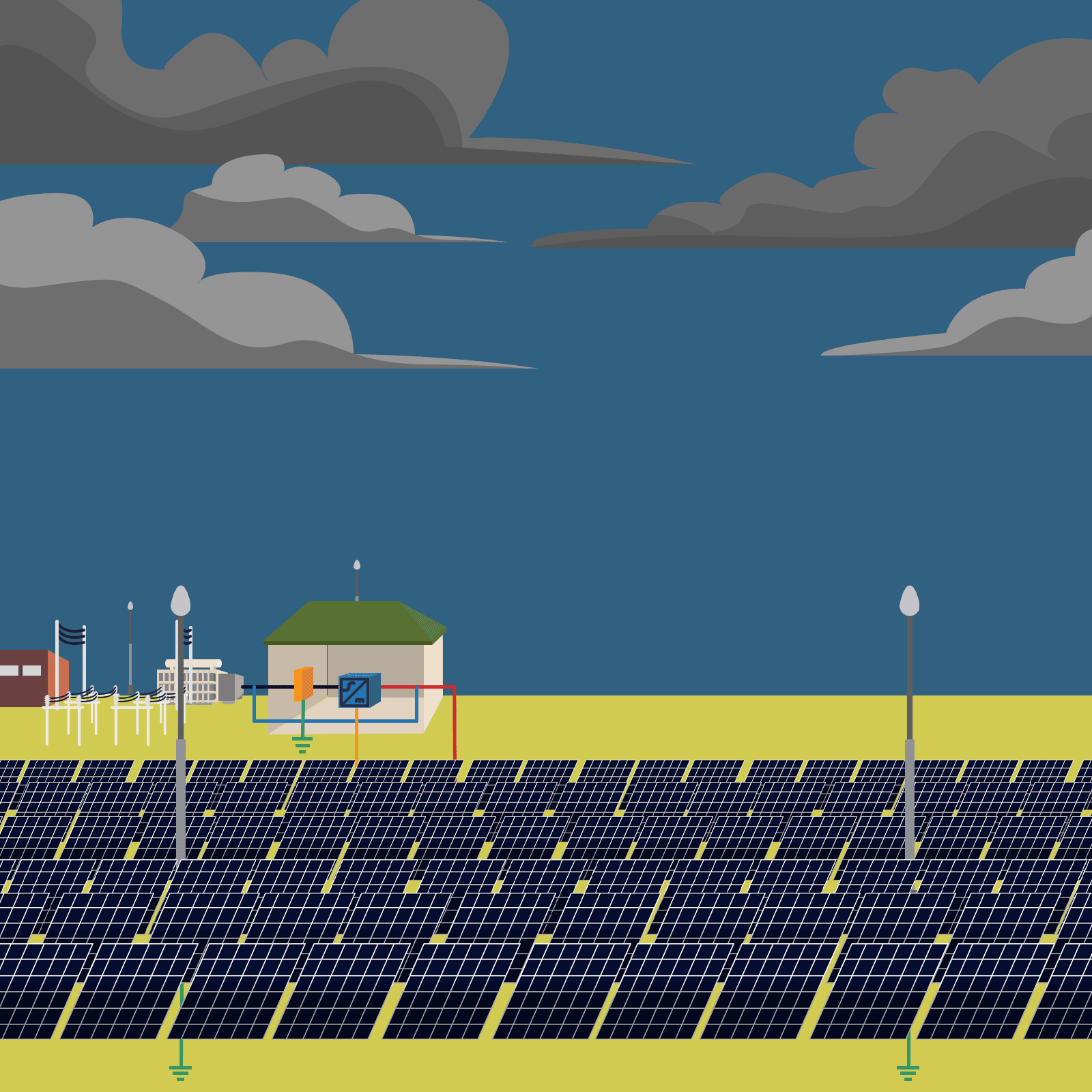
Generation and distribution assets cover huge footprints with extensive electrical systems and hazardous materials. A single strike can damage valuable equipment, trigger catastrophic fire, or halt supply to an entire community.
Our standards & compliance
Engineered to every recognised framework.
Lightning protection design meeting Australian & international standards
AS 1768:2021
IEC 62305
NFPA 780
NF C 17-102
Quality, environmental & safety compliance certificates
ISO 9001:2015
ISO 14001:2015
ISO 45001:2018
Protection Plan
Comprehensive Lightning Protection
Well-designed systems protect people, infrastructure and automation together, never in isolation.
Selected projects
Our work across power & water infrastructure
Selected work across large-scale solar, wind and water-utility projects in Australia and abroad.
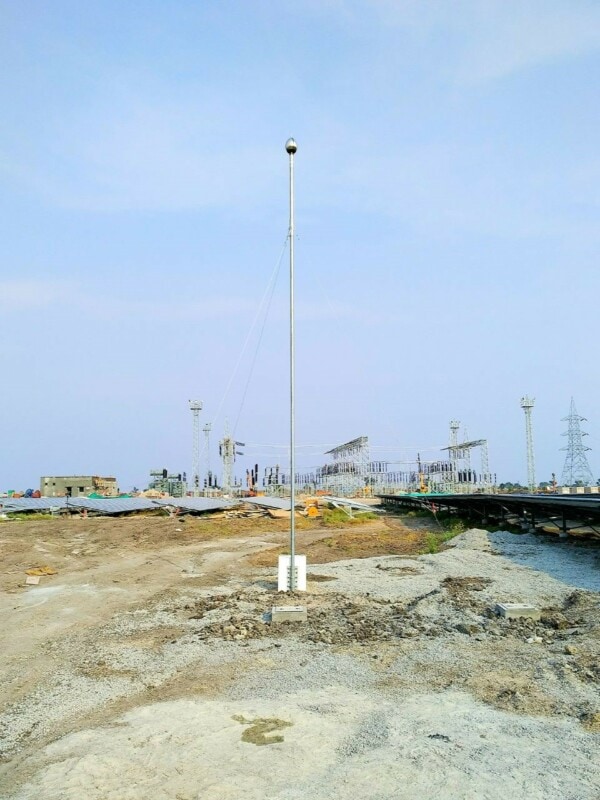
Solar Farm, India
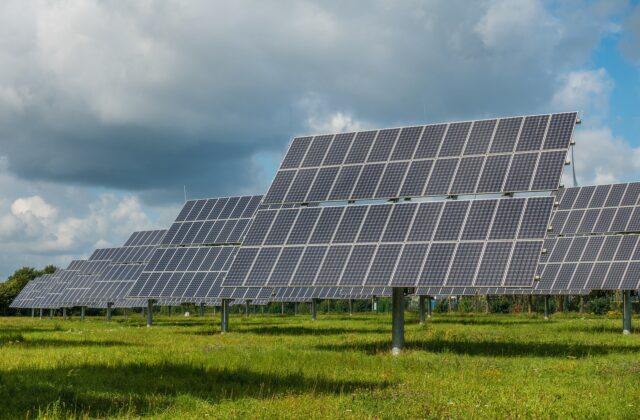
Large, grid-connected solar farm in India is protected with an array of Stormaster terminals.
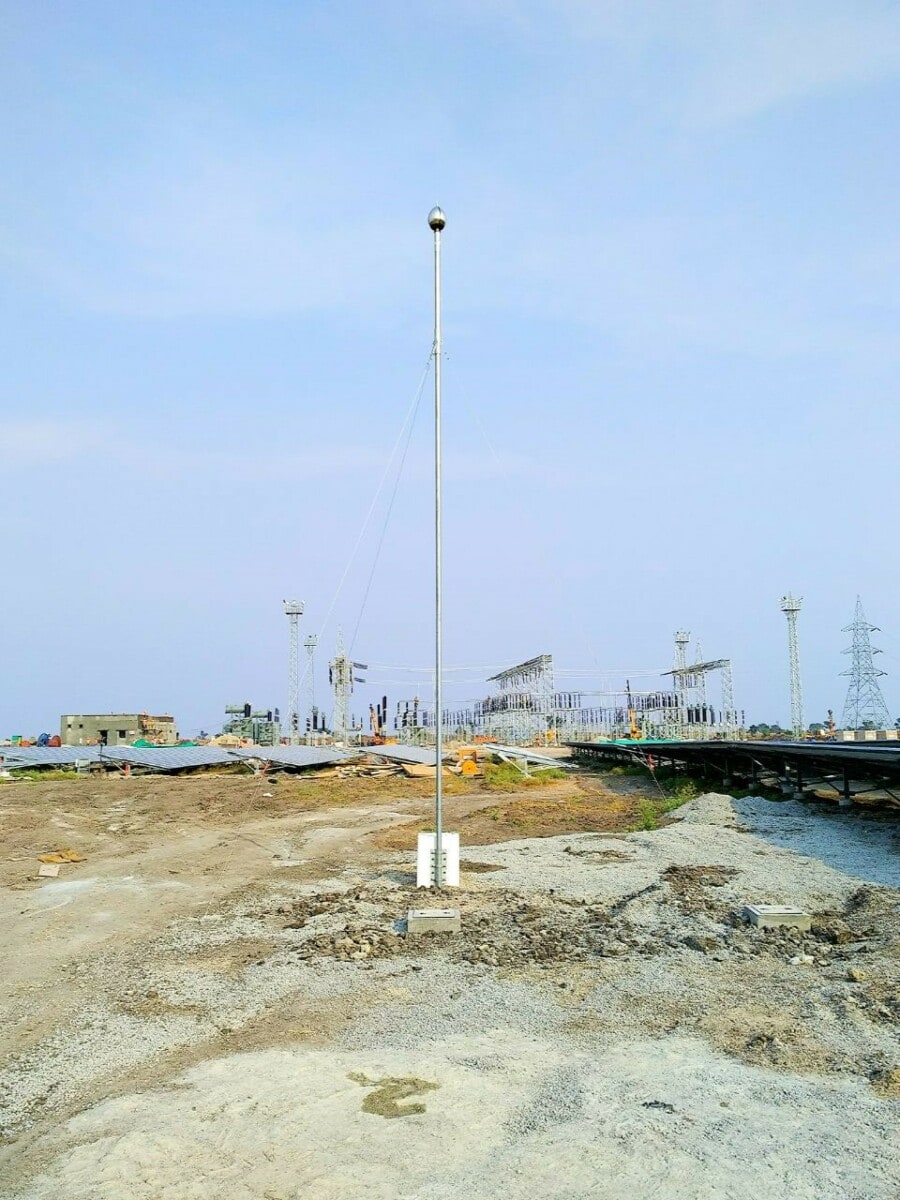
Solar Farm, India
Large, grid-connected solar farm in India is protected with an array of Stormaster terminals.
Large, grid-connected solar farm in India is protected with an array of Stormaster terminals.
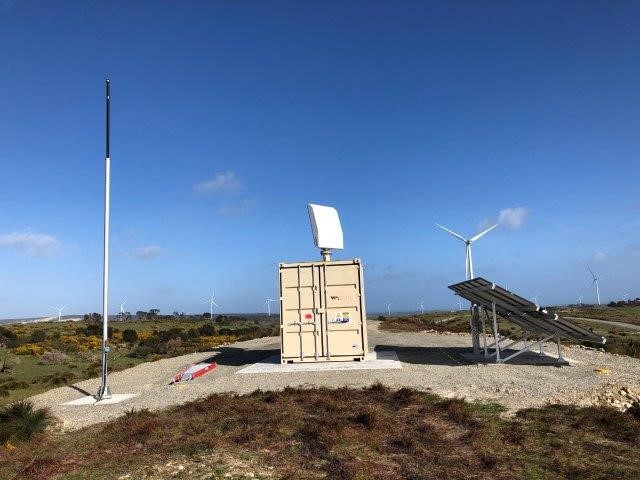
Musselroe Wind Farm, Tasmania, Australia
LPI was asked to assist with lightning protection for a new bird radar system, the first of its…
Musselroe Wind Farm, Tasmania, Australia
LPI was asked to assist with lightning protection for a new bird radar system, the first of its…
LPI was asked to assist with lightning protection for a new bird radar system, the first of its kind in Australia, with the initial trial to be conducted at Musselroe Wind Farm (MWF) in the remote north-east corner of Tasmania. MWF has 56 wind turbines and produces 168 MW of green electricity.
The Brief
The Robin radar technology will help detect and monitor birds that fly near the wind farm, providing the opportunity to adjust the operation of or shut down wind turbines to ensure collisions can be avoided. In particular, MWF aims to prevent harm to wedge-tailed eagle populations.
LPI’s role in this project was to design the lightning protection system, comprising direct-strike protection of the sensitive radar system, effective earthing and bonding, and protection of the electronic equipment from electrical surges.
Protecting a moving part (the radar head), designing earthing on top of a sandy hill (poor soil) and wind loadings issues were some of the challenges faced in this novel project.
The Outcome
LPI carried out soil resistivity testing and modelling, earthing and direct-strike design, and current injection testing after installation. LPI’s flagship products were used, including:
Guardian Plus corona-minimising air terminal with HVSC Plus insulated (500 kV) lightning downconductor cable;
Innovative mast assembly designed for high-wind regions without the need for guying;
Earth enhancing compound (RESLO) to achieve earth resistance targets in bad soil;
Surge reduction filter on power lines, using Bluetooth technology for status monitoring of surges and operating conditions.
Installation of the lightning protection system was completed in August 2020 and the earth resistance achieved was 3.4 ohms. The radar is currently being calibrated and customised for shutdown procedures.
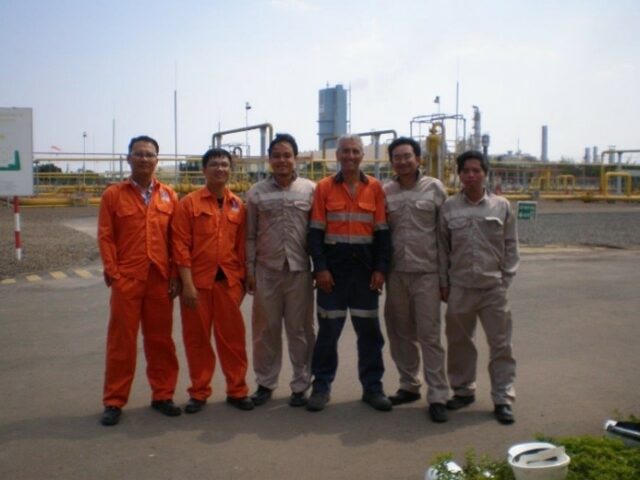
Lightning Protection Audits of LNG Transportation, Distribution and Processing Sites, Vietnam (2015 - 2019)
As world leaders in all aspects of lightning protection, LPI / PhysElec was engaged to carry out lightning…
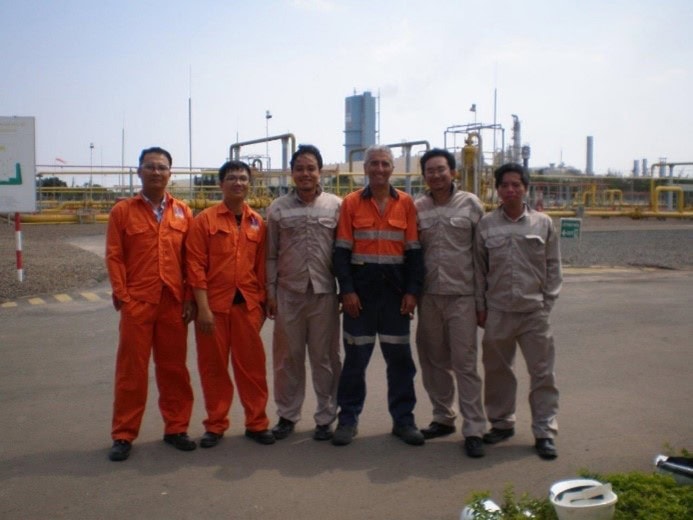
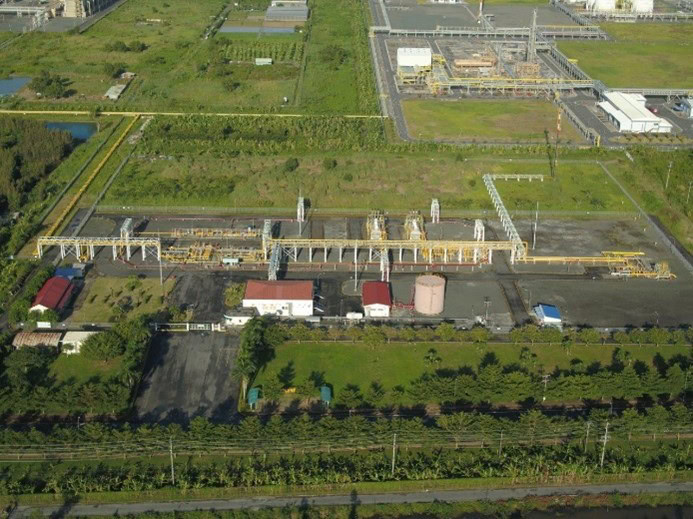
Lightning Protection Audits of LNG Transportation, Distribution and Processing Sites, Vietnam (2015 - 2019)
As world leaders in all aspects of lightning protection, LPI / PhysElec was engaged to carry out lightning…
As world leaders in all aspects of lightning protection, LPI / PhysElec was engaged to carry out lightning protection audits of 26 LNG transportation, distribution and processing sites in Vietnam over a period of 4 years. These audits involved detailed inspections, testing and measurements across the three keys areas of direct-strike lightning protection, surge and transient protection, and earthing & bonding.
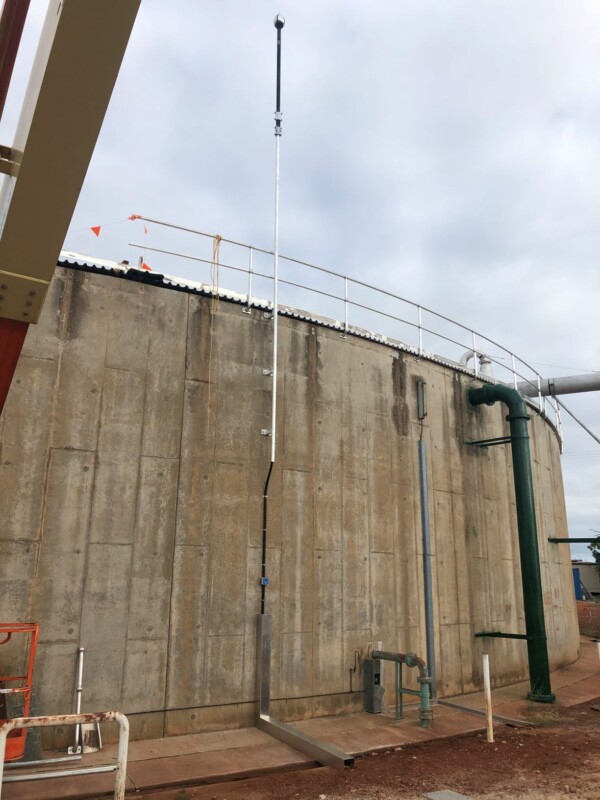
Water Tank, Katherine, Northern Territory, Australia
This project is a water tank installation in Katherine, Northern Territory, Australia. A STORMASTER-ESE-60-SS lightning protection system was…
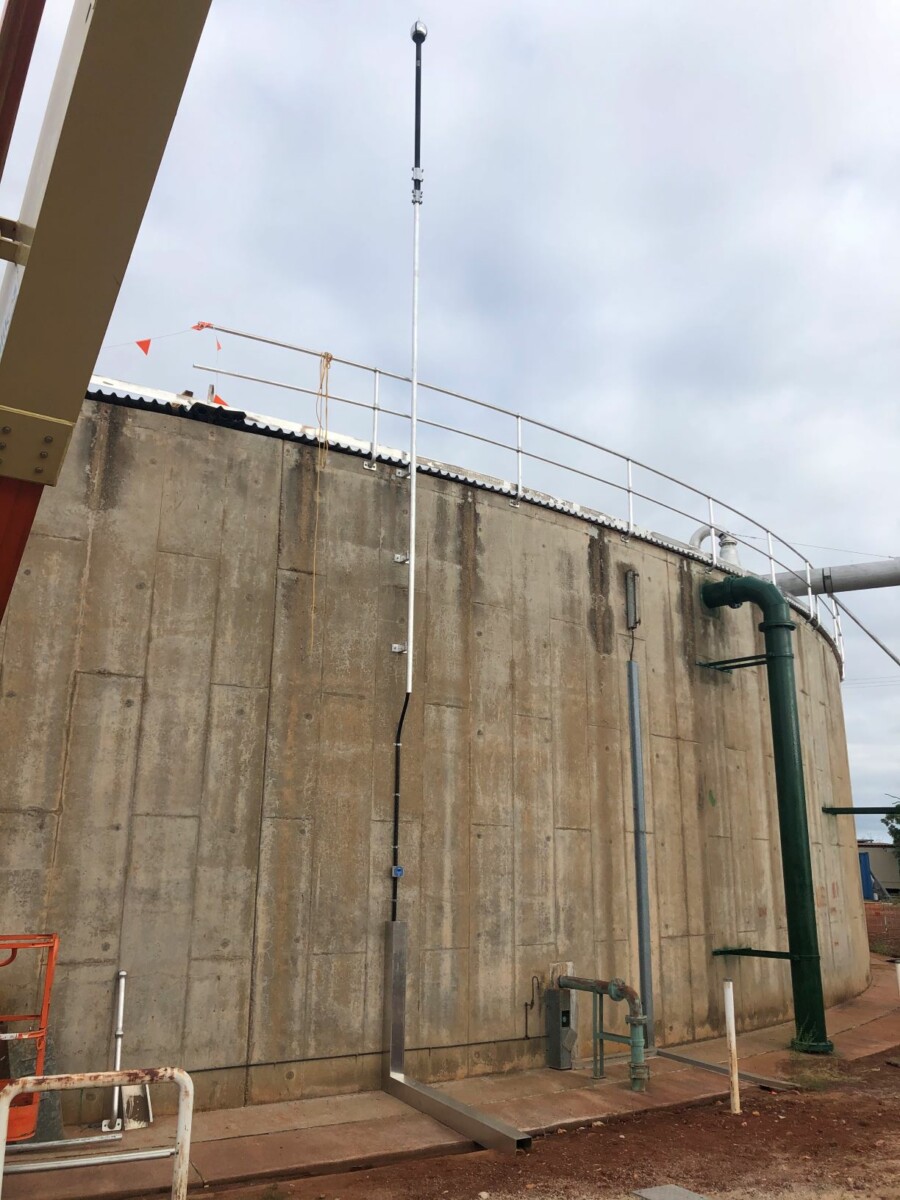
Water Tank, Katherine, Northern Territory, Australia
This project is a water tank installation in Katherine, Northern Territory, Australia. A STORMASTER-ESE-60-SS lightning protection system was…
This project is a water tank installation in Katherine, Northern Territory, Australia. A STORMASTER-ESE-60-SS lightning protection system was installed using the cantilevered method. A number of different bonding techniques were used, shown in the photos.
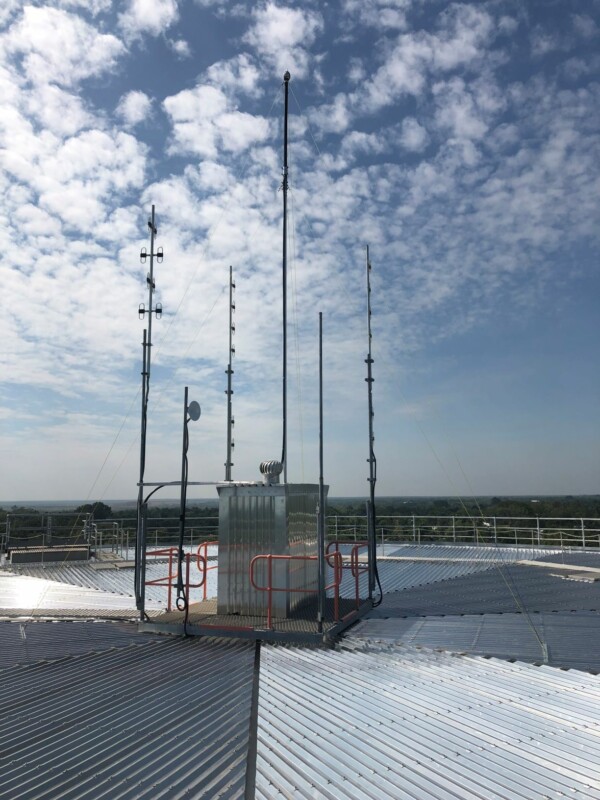
Water Tank’s Re-Roofing Project, Casuarina, Northern Territory, Australia
Lightning Protection Installation for the Water Tank Re-Roofing Project in Casuarina, Northern Territory, Australia The Brief Aluminium corrugated…
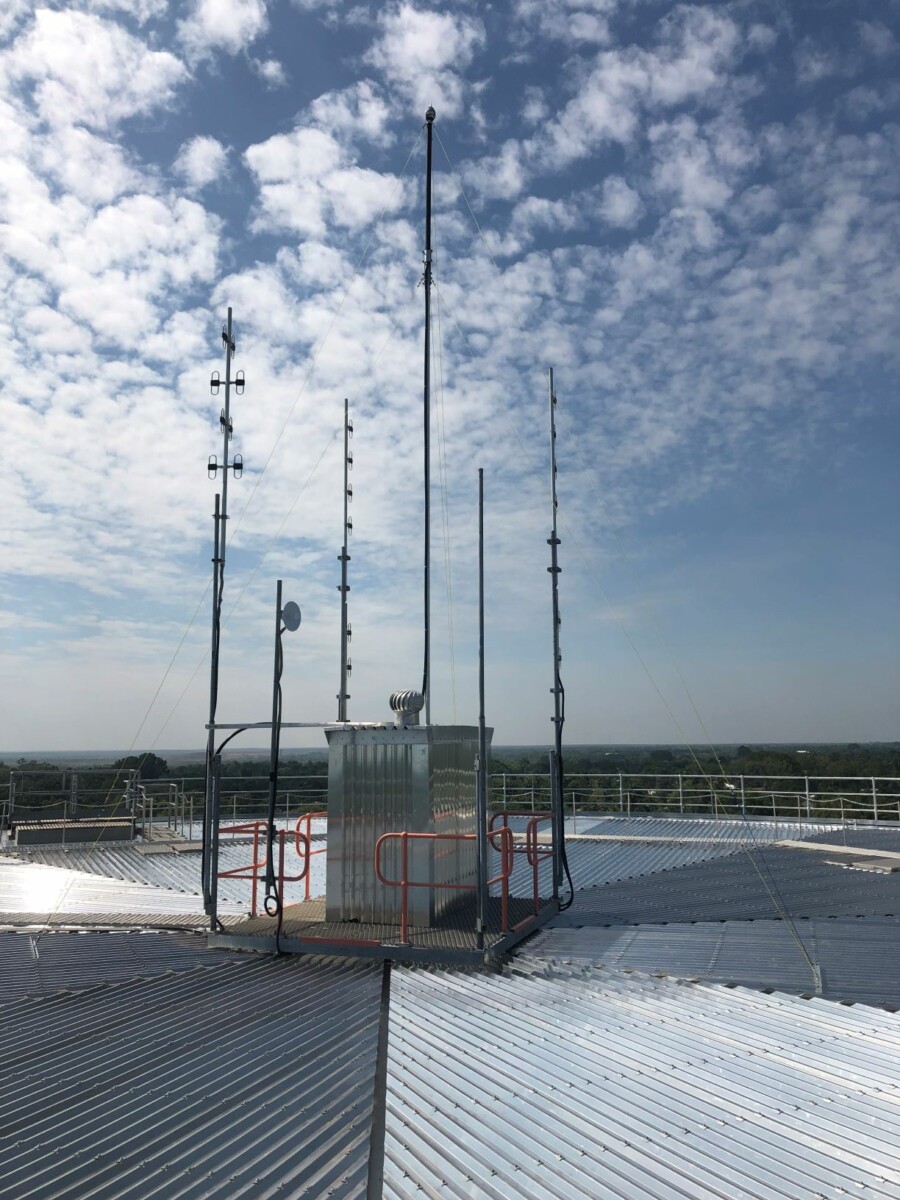
Water Tank’s Re-Roofing Project, Casuarina, Northern Territory, Australia
Lightning Protection Installation for the Water Tank Re-Roofing Project in Casuarina, Northern Territory, Australia The Brief Aluminium corrugated…
Lightning Protection Installation for the Water Tank Re-Roofing Project in Casuarina, Northern Territory, Australia
The Brief
Aluminium corrugated is used for this tank roof instead of gal or colour-bond sheeting. A new aluminium roof structure was installed on top of the existing steel roof support beams with appropriate isolation between dissimilar metals with new corrugated aluminium sheeting for the roof. The reasoning is a longer roof life compared to the original steel which rusts out from the chlorine gas introduced into the water supply.
The Outcome
A STORMASTER-ESE-30-SS lightning protection system was supplied and installed. To facilitate equipotential bonding we maintained the original tank LP earthing.
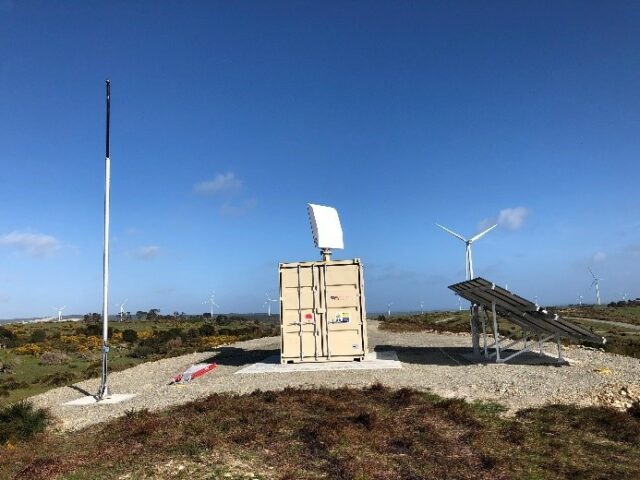
Earthing & Lightning Protection for Bird Radar, Musselroe Wind Farm, Tasmania (2020)
PhysElec Solutions was engaged to provide earthing and lightning protection for an advanced bird radar detection system installed…
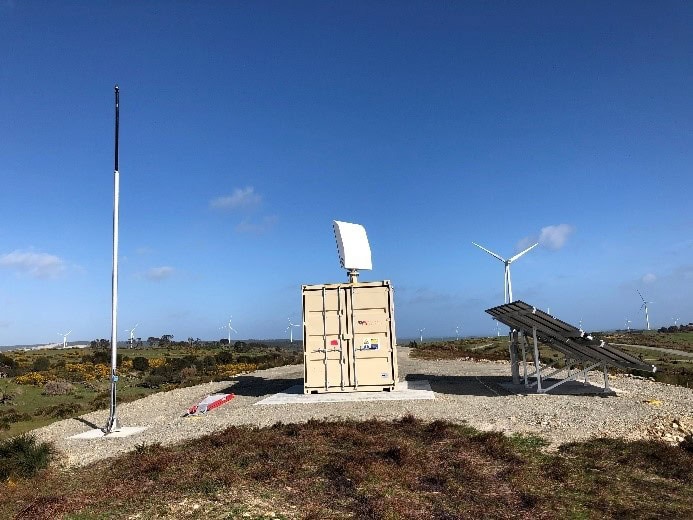
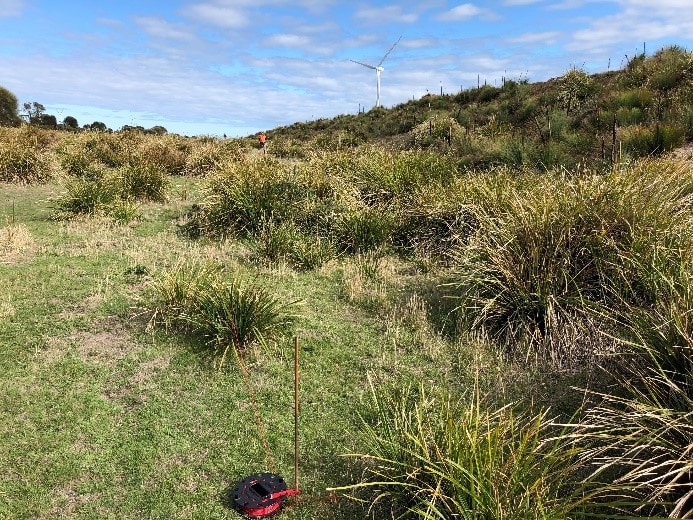
Earthing & Lightning Protection for Bird Radar, Musselroe Wind Farm, Tasmania (2020)
PhysElec Solutions was engaged to provide earthing and lightning protection for an advanced bird radar detection system installed…
PhysElec Solutions was engaged to provide earthing and lightning protection for an advanced bird radar detection system installed at Musselroe Wind Farm in Tasmania’s far north-east. Soil resistivity and earthing design was carried out, along with a freestanding lightning protection design employing a corona minimising air terminal and insulated downconductor system. Following the installation of earthing and lightning protection, current injection testing was carried out to verify system performance.