




The risk
Safety for modern & historic buildings
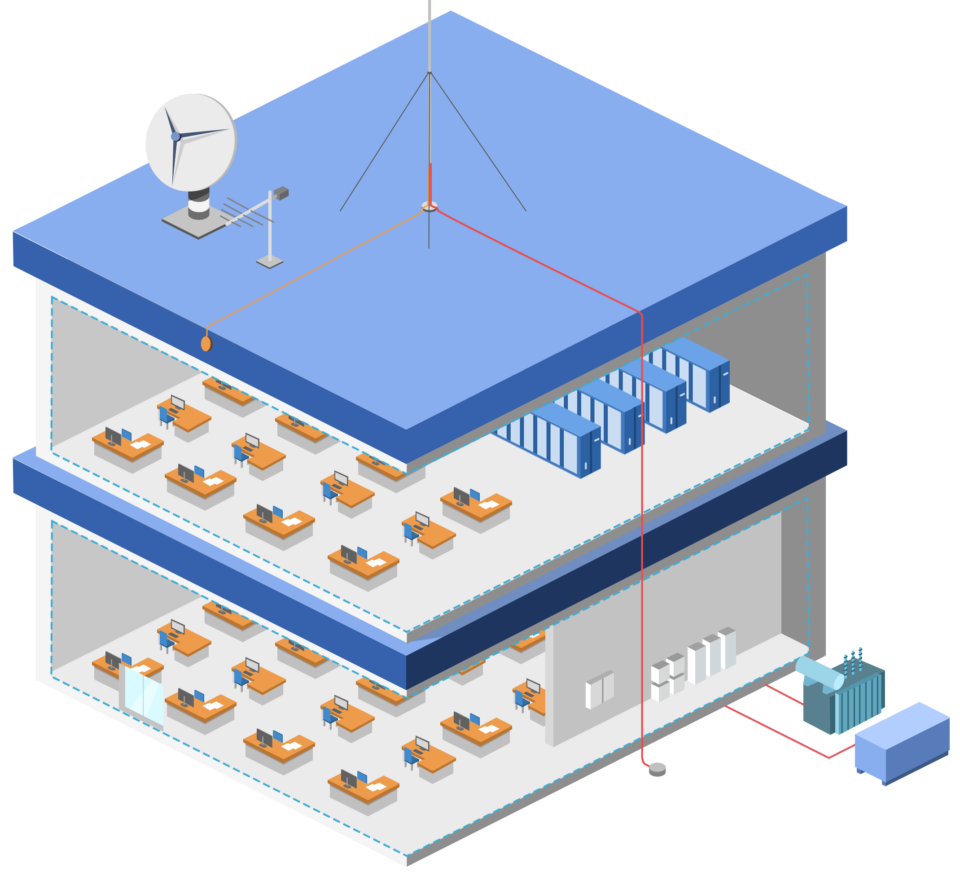
Modern buildings rely on dense electronic systems. One direct or induced strike can cascade through HVAC, panels, comms and fire-alarm networks in seconds.
Our standards & compliance
Engineered to every recognised framework.
Lightning protection design meeting Australian & international standards
AS 1768:2021
IEC 62305
NFPA 780
NF C 17-102
Quality, environmental & safety compliance certificates
ISO 9001:2015
ISO 14001:2015
ISO 45001:2018
Protection Plan
Comprehensive Lightning Protection
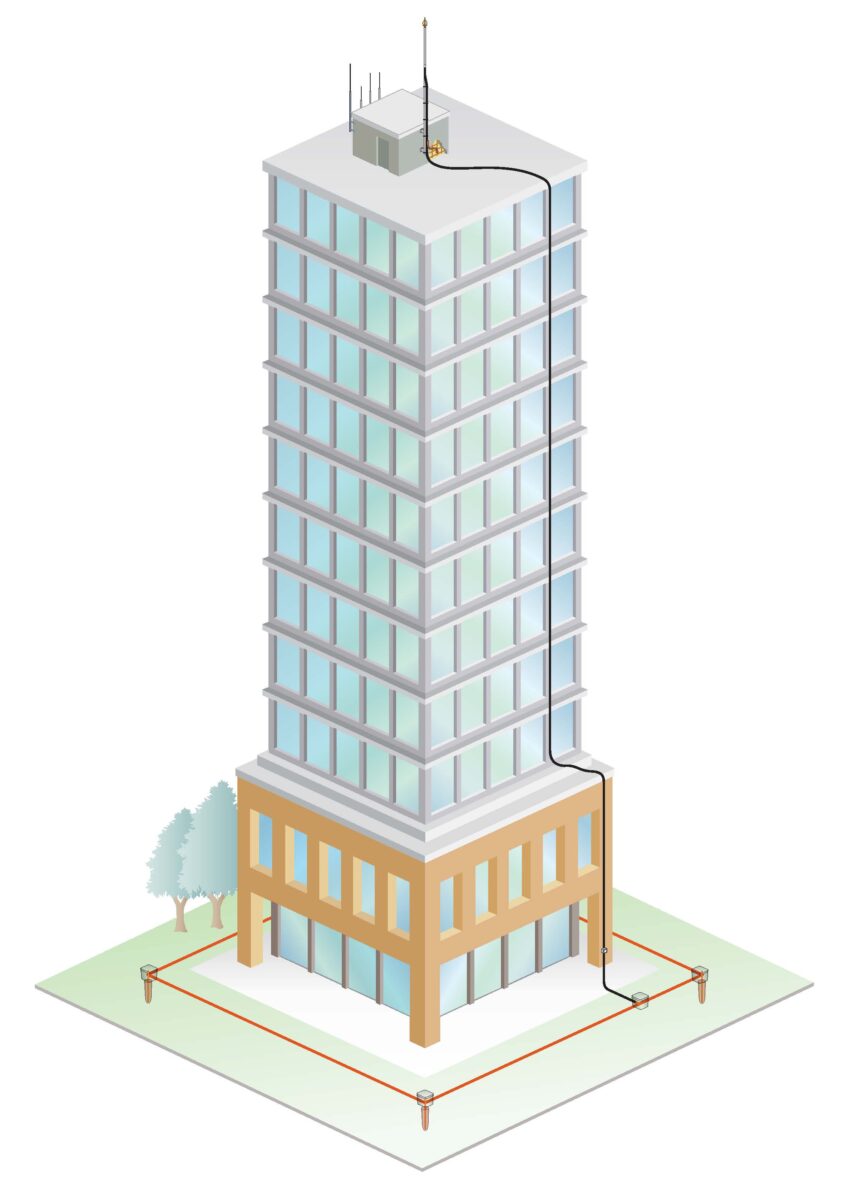
Well-designed systems protect people, infrastructure and automation together, never in isolation.
Selected projects
Protection on landmark buildings
From record-breaking towers to purpose-built hospitals and resorts, LPI's work spans landmark architecture on four continents.
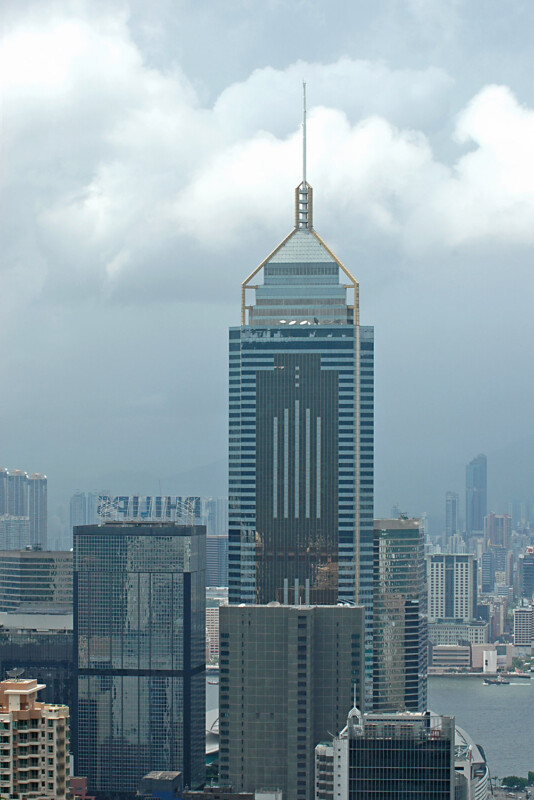
Central Plaza, Hong Kong
The Central Plaza building in Hong Kong is 374 m tall, this building is protected with LPI's Guardian…
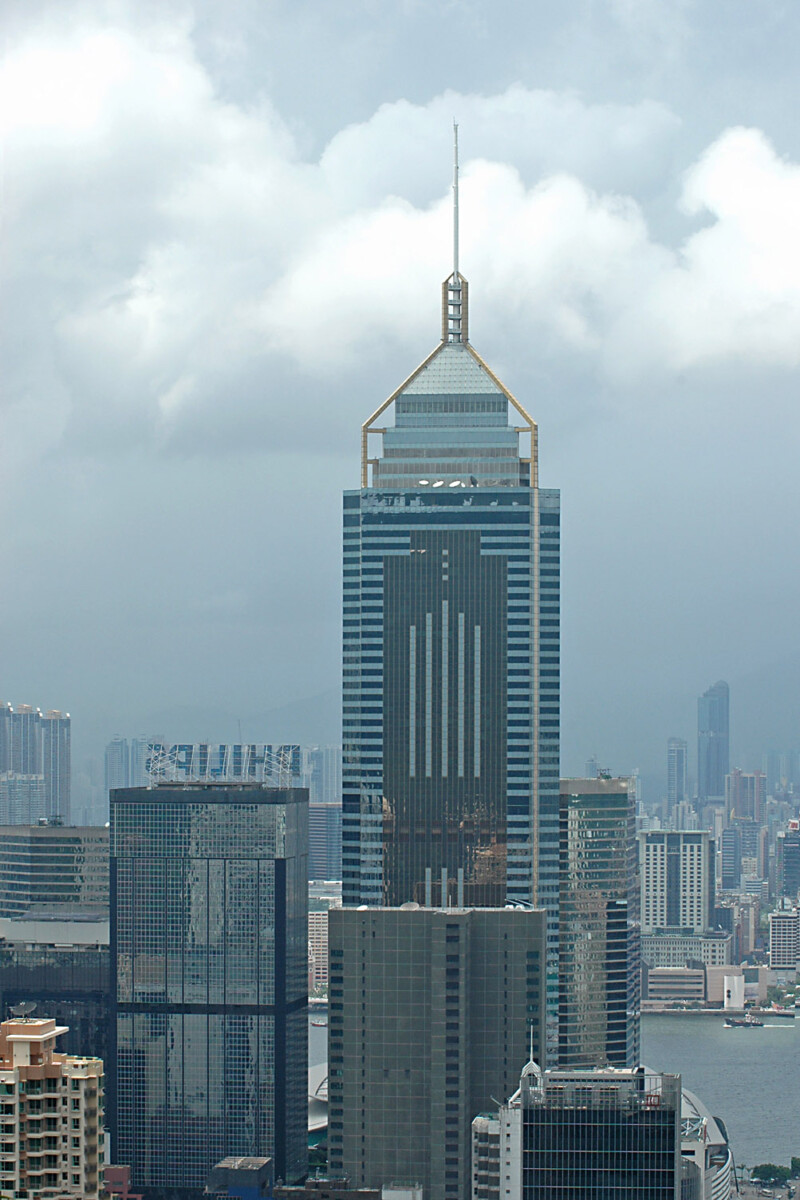
Central Plaza, Hong Kong
The Central Plaza building in Hong Kong is 374 m tall, this building is protected with LPI's Guardian…
The Central Plaza building in Hong Kong is 374 m tall, this building is protected with LPI's Guardian air terminal.
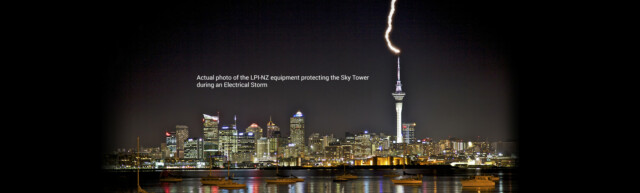
Sky Tower, New Zealand
Sky Tower in Auckland is New Zealand’s tallest building (328 m), this building is protected with LPI’s Guardian…
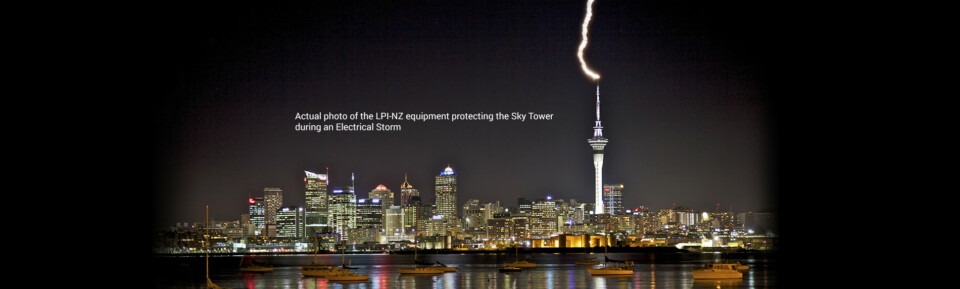
Sky Tower, New Zealand
Sky Tower in Auckland is New Zealand’s tallest building (328 m), this building is protected with LPI’s Guardian…
Sky Tower in Auckland is New Zealand’s tallest building (328 m), this building is protected with LPI’s Guardian air terminal.
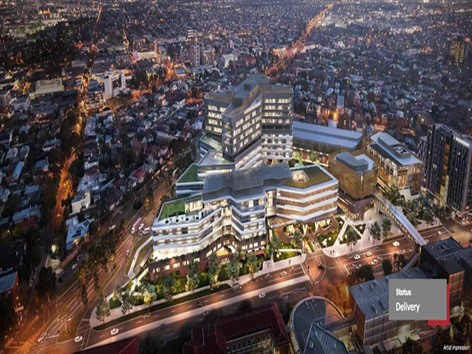
New Hospital in Melbourne, Australia (2021 - 2024)
PhysElec Solutions provided consultancy services for a major new hospital in Melbourne. This $1.5 billion project is due…
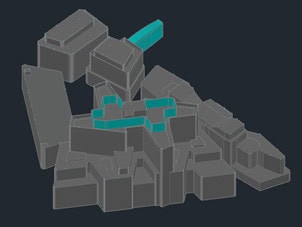
New Hospital in Melbourne, Australia (2021 - 2024)
PhysElec Solutions provided consultancy services for a major new hospital in Melbourne. This $1.5 billion project is due…
PhysElec Solutions provided consultancy services for a major new hospital in Melbourne. This $1.5 billion project is due for completion in 2025. Our consultants conducted thorough desktop work, including earthing and lightning protection design, and on-site work, including soil resistivity tests and current injection testing. The post-installation current injection testing confirmed system performance regarding impedance and earth potential rise, and step, touch and transfer voltages across the site.
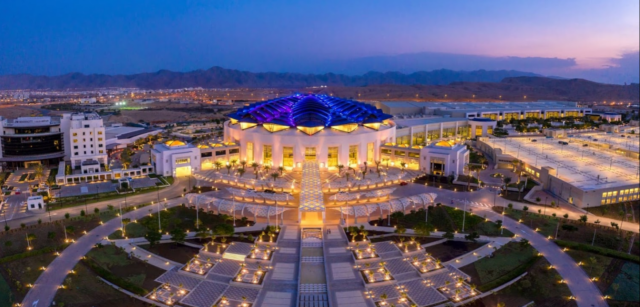
Muscat Convention Centre, Oman
The Muscat Convention Centre in Oman is protected with LPI’s Guardian air terminal
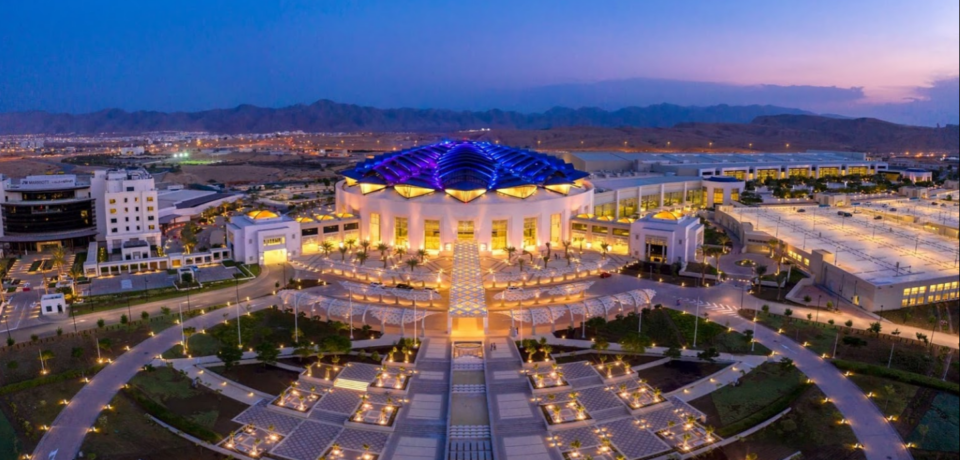
Muscat Convention Centre, Oman
The Muscat Convention Centre in Oman is protected with LPI’s Guardian air terminal
The Muscat Convention Centre in Oman is protected with LPI’s Guardian air terminal
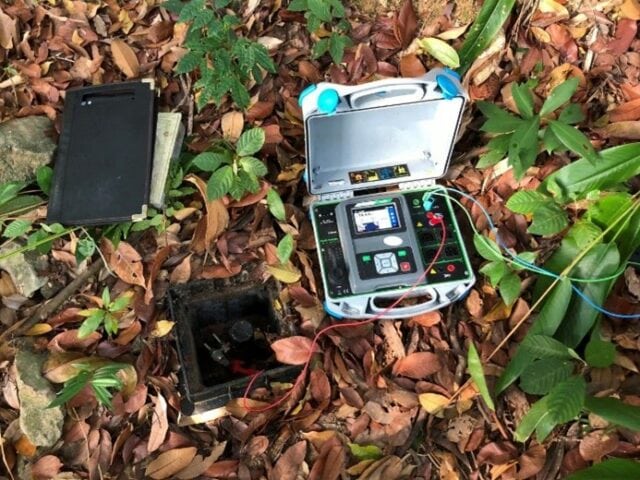
Lightning Protection Survey of Island Resort, Cambodia (2024)
South East Asia has frequent, intense thunderstorms and equipment damage is prevalent in many locations, especially isolated and…
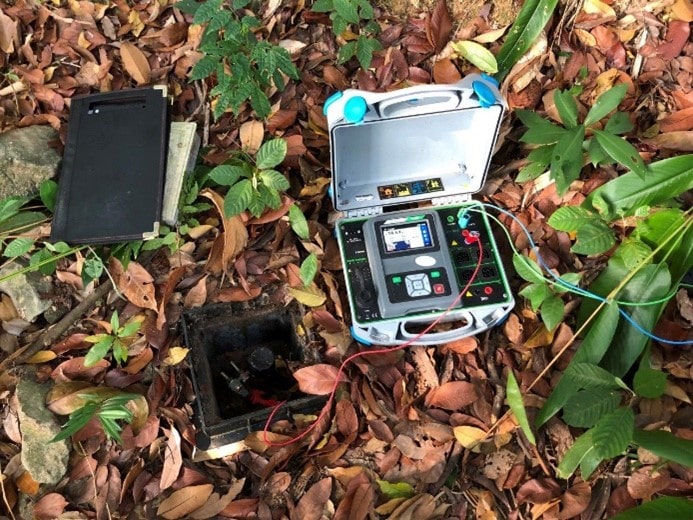
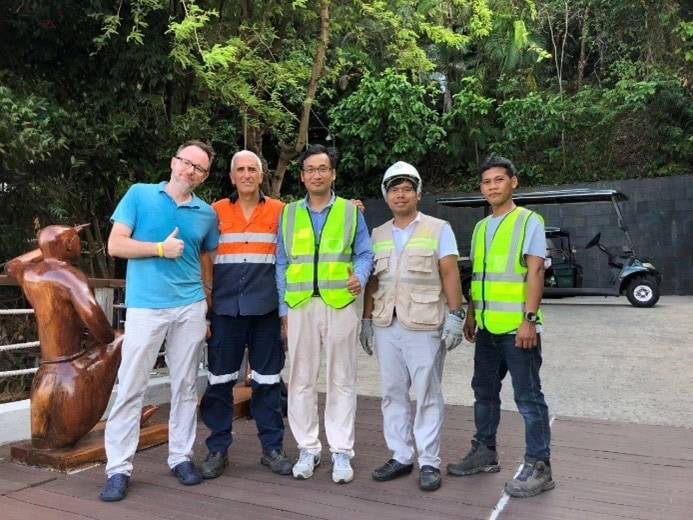
Lightning Protection Survey of Island Resort, Cambodia (2024)
South East Asia has frequent, intense thunderstorms and equipment damage is prevalent in many locations, especially isolated and…
South East Asia has frequent, intense thunderstorms and equipment damage is prevalent in many locations, especially isolated and prominent ones like islands, which typically have very poor soil and hence high resistivity. LPI was called to solve lightning problems on such an island that houses a luxury resort. This involved a site visit, analysis and calculations upon to return to the office, and detailed formulation of innovative solutions to overcome the unique features of the island that revolved around surge and transient protection and earthing issues.
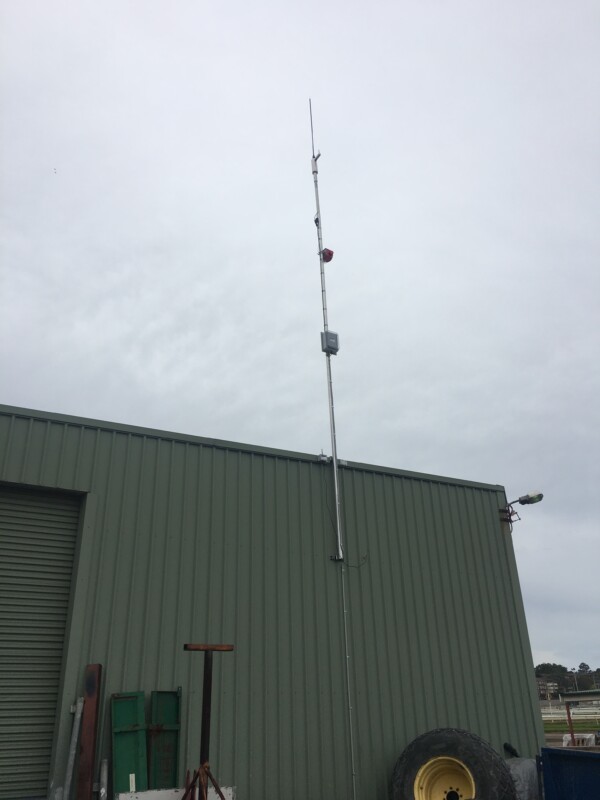
Randwick Racecourse, Victoria, Australia
Randwick Racecourse in Victoria, Australia has LPI’s “lightning warning system” (LWS) providing real-time warning of dangerous thunderstorm conditions.
Randwick Racecourse, Victoria, Australia
Randwick Racecourse in Victoria, Australia has LPI’s “lightning warning system” (LWS) providing real-time warning of dangerous thunderstorm conditions.
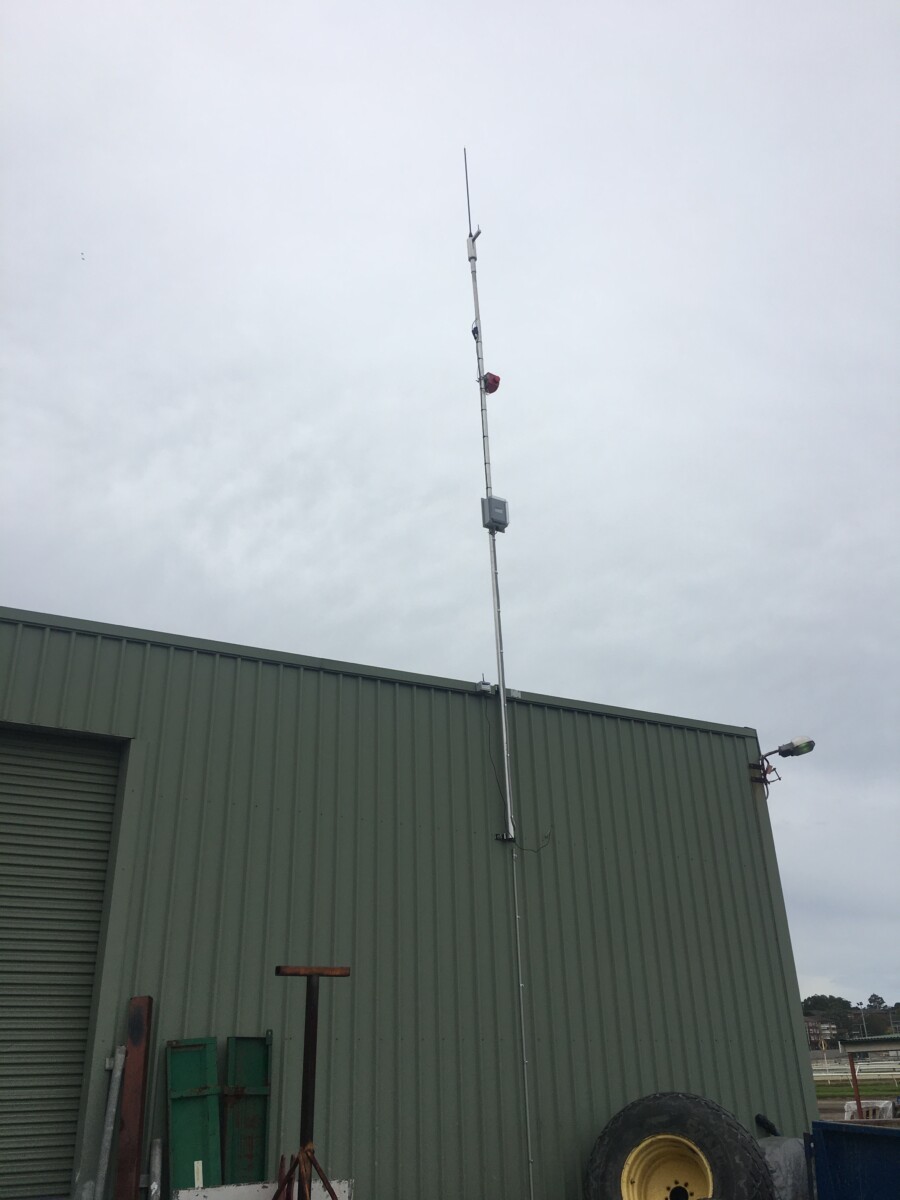
Randwick Racecourse in Victoria, Australia has LPI’s “lightning warning system” (LWS) providing real-time warning of dangerous thunderstorm conditions.