





Lightning Protection for Transportation
Lightning protection for transportation is crucial for ensuring safe and efficient air, land, and sea operations. Well-designed lightning protection solutions protect critical infrastructure, transport systems, and electronic equipment from lightning damage, minimising disruptions and safeguarding personnel, passengers and cargo. Implementation of robust lightning protection measures is essential to maintaining operational continuity and safety across all modes of transport.
Key components of lightning protection for air, land, and sea transportation include:
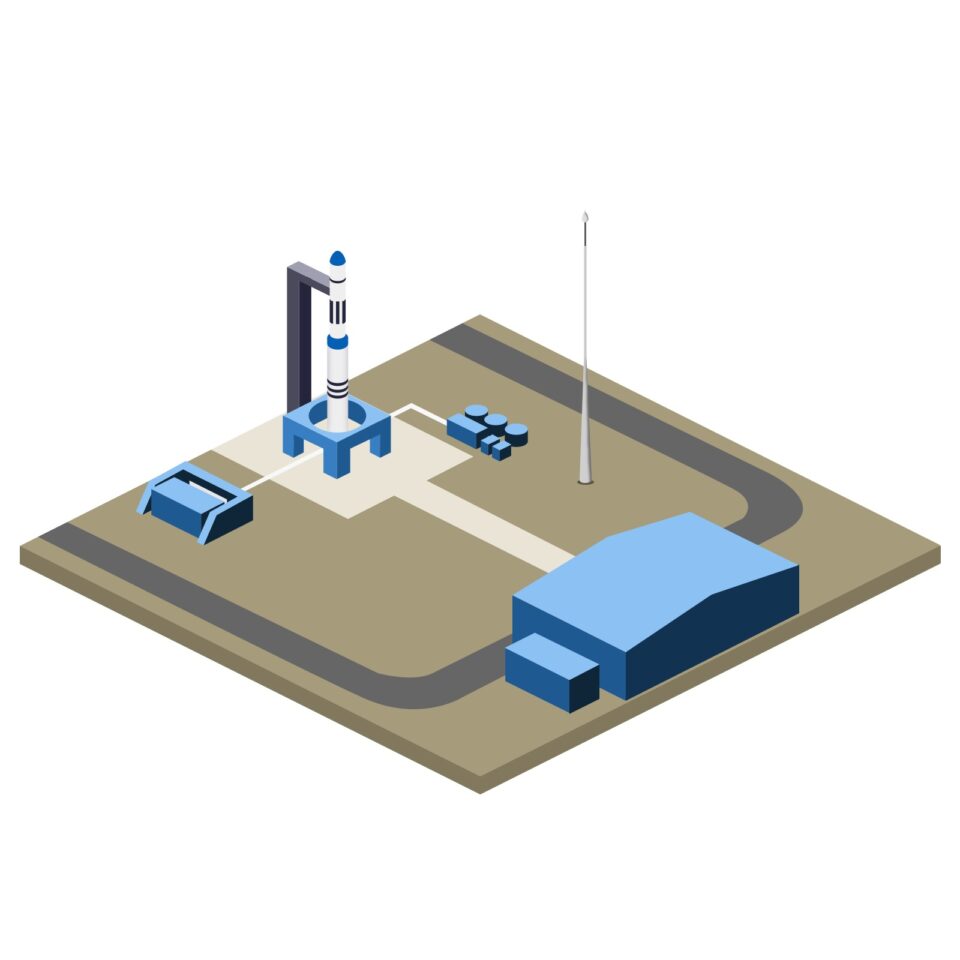
- Airport infrastructure protection – airports deploy lightning protection systems across runways, control towers, hangars, and other facilities to safeguard personnel, equipment, and structures. Well-designed lightning protection solutions dissipate lightning energy and prevent damage.
- Railway infrastructure protection – lightning mitigation solutions are required for signalling systems, communication systems, overhead lines, substations, and railway stations, and ensuring passenger and staff safety.
- Road infrastructure protection – lightning mitigation solutions are required for tunnels, bridges, toll stations, communications systems, and weighbridges.
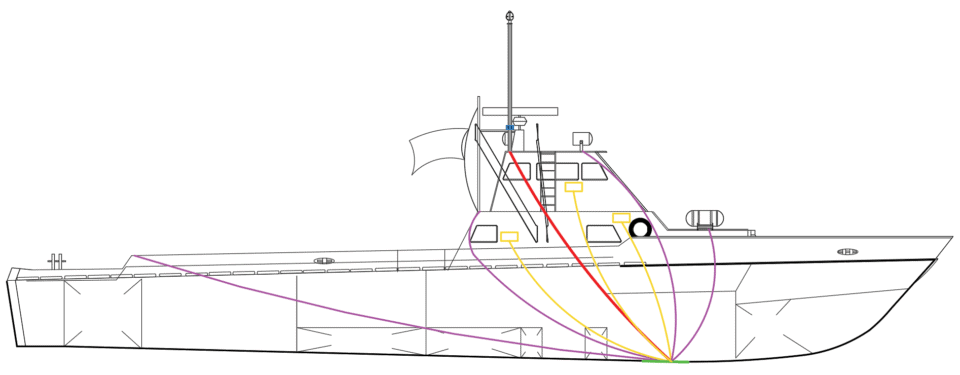
- Vessel protection – since vessels at sea are particularly vulnerable to lightning strikes, lightning protection solutions are critical to maintaining operations and safety. Preventing direct strikes to the tallest points where communication equipment may be installed, along with surge and transient protection of equipment on board, are the fundamental steps behind an effective solution.
-
Safeguarding airports: aviation lightning protection
Airports and aviation infrastructure are crucial for global transportation, enabling safe and efficient travel. However, their expansive runways, control towers, and aircraft are highly vulnerable to lightning strikes. Lightning can disrupt operations, pose safety risks, and incur high costs.
Balancing operational safety with efficiency is challenging for airport professionals aiming to maintain schedules. Proper lightning and surge protection systems are essential to minimise these risks, ensuring safety, protecting reputation, and maintaining economic viability.
-
Effective Lightning Protection Strategies for Rail Networks
Railway systems are highly sensitive to lightning-induced overvoltage and overcurrent, which can damage equipment via power supply and signal transmission channels, threatening safety and operations.
Protection against lightning involves guarding against both direct strikes and internal overvoltage impulses. Railway stations, especially in open areas, can be affected by transient voltages and switching pulses, disrupting critical electronic systems like signaling and communication. Therefore, lightning protection strategies must address these threats effectively.
-
Safety at sea: lightning protection for vessels
Thousands of thunderstorms occur globally every hour, many of which are over bodies of water like rivers and oceans. Unlike structures on land, vessels at sea are highly susceptible to lightning strikes due to their elevated and solitary presence in the electrically enhanced environment of thunderstorms.
A ship's lightning protection system encompasses various aspects, including passenger safety, surge protection of sensitive electrical and electronic equipment, safeguarding instruments and structures, reducing downtime for repairs, and implementing safety protocols for handling explosive materials.
Lightning protection for vessels is crucial to ensure the safety of crew and passengers, preventing damage, and reducing downtime and maintenance costs associated with lightning-related repairs.
Comprehensive Lightning Protection Approach
LPI recommends a comprehensive approach to lightning protection. This approach is comprised of four key steps: Direct Strike Protection, Surge Protection, Earthing and Bonding, and Personal Protection. Each of these steps plays a crucial role in the overall protection strategy. LPI's four-step approach must be applied holistically to mitigate all types of lightning risks.
Earthing and Bonding
Provide a low impedance reference earth and bond all conductive elements to minimise voltage differences.