


Risk Analysis
LPI can evaluate the risk to your building, facility or site, including the contents, assets and occupants, then provide recommendations on the best lightning protection solutions.
From assessment to action: Lightning protection evaluation and recommendations for industry
What is a lightning risk assessment and why is it important?
LPI has a proven history of working with diversified industry groups to evaluate lightning protection and provide recommendations that are cost-effective, practical, and successful.
A lightning risk assessment (LRA) determines if a building, facility or site, and its surroundings, are at risk of direct and indirect lightning strikes and whether a lightning protection system is needed to mitigate risks to assets and personnel.
The Australian Standard for Lightning Protection, AS 1768:2021, outlines requirements for protecting buildings, facilities and sites from lightning strikes. It includes a useful risk assessment tool that compares calculated risk to a tolerable risk level. Notably, the standard suggests that protection measures might still be warranted even if the risk assessment deems them unnecessary.
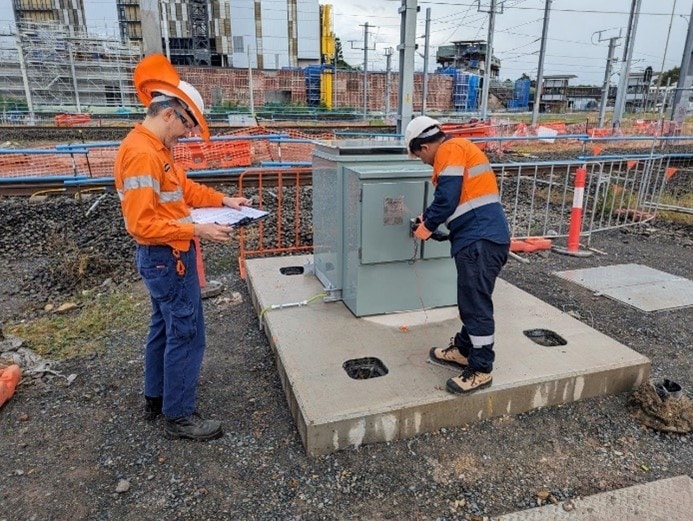
A typical site inspection and assessment involves:

Layout, Environment and Lightning Ground Flash Density

Dimensions, Assets, Personnel Activities, and Hazard Review

Test and Measurement – Bonding, Earthing and Interconnectivity

Services in/out of the site

Determination of Potential Losses
How we help
We consult with each customer and provide recommendations on appropriate lightning and surge protection, and earthing & bonding solutions. Following a detailed analysis, we offer design and installation so our customers have peace of mind, knowing that supply interruptions will be minimised due to protection from harmful surges caused by lightning strikes.