Lightning Protection for Industrial Facilities
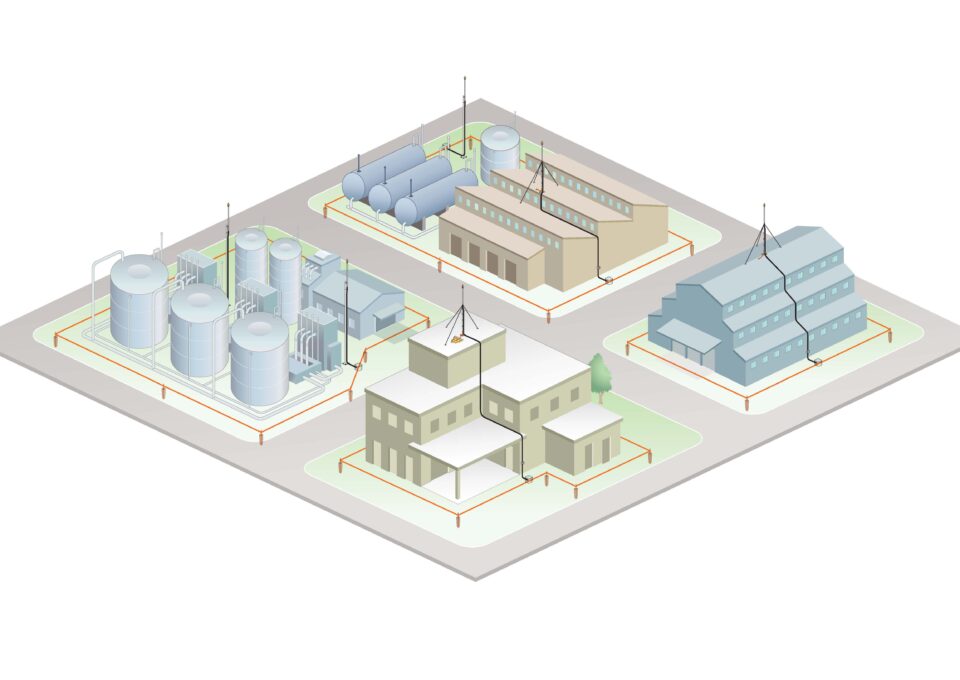
Industrial facilities are complex environments where precision equipment, critical electronic systems, and a variety of materials are at constant risk from lightning strikes. Robust lightning protection minimises operational disruptions, helping to maintain productivity and profitability by reducing downtime. Well-designed lightning protection systems can significantly reduce the risk of fires ignited by lightning strikes, safeguarding both the facility and its contents. Comprehensive lightning protection measures are vital for maintaining a safe, efficient, and resilient industrial operation.
Lightning strikes present significant risks to industrial facilities, causing damage ranging from electrical equipment failures to structural weakening and fire hazards. Damage commonly seen to these facilities include:
- Electrical equipment damage – lightning-induced surges can damage electrical equipment, including control systems, motors, transformers, and circuit boards, leading to costly repairs or replacements.
- Communication disruptions – lightning-induced surges can disrupt communication systems, including telephone lines, internet connections, and radio communications, hindering operational coordination and safety protocols.
- Environmental impact – lightning strikes can cause environmental damage, such as chemical spills or pollution, in factories handling hazardous materials or operating in sensitive ecological areas.
- Data loss – lightning strikes can cause power surges that corrupt or destroy electronic data stored on servers, computers, and other digital devices, resulting in data loss and potential operational setbacks.
-
Safeguarding Manufacturing Facilities from Lightning Strikes
Lightning protection systems play a vital role in safeguarding manufacturing plants from the destructive effects of lightning strikes. Implementing these systems ensures the safety of personnel, safeguards valuable assets, reduces production downtime, prevents fire accidents, complies with safety standards, and may lower insurance premiums. Investing in a dependable lightning protection system is a smart choice that enhances the company's overall security and efficiency.
-
Tailored Lightning Protection Solutions for Petrochemical, Oil & Gas Operations
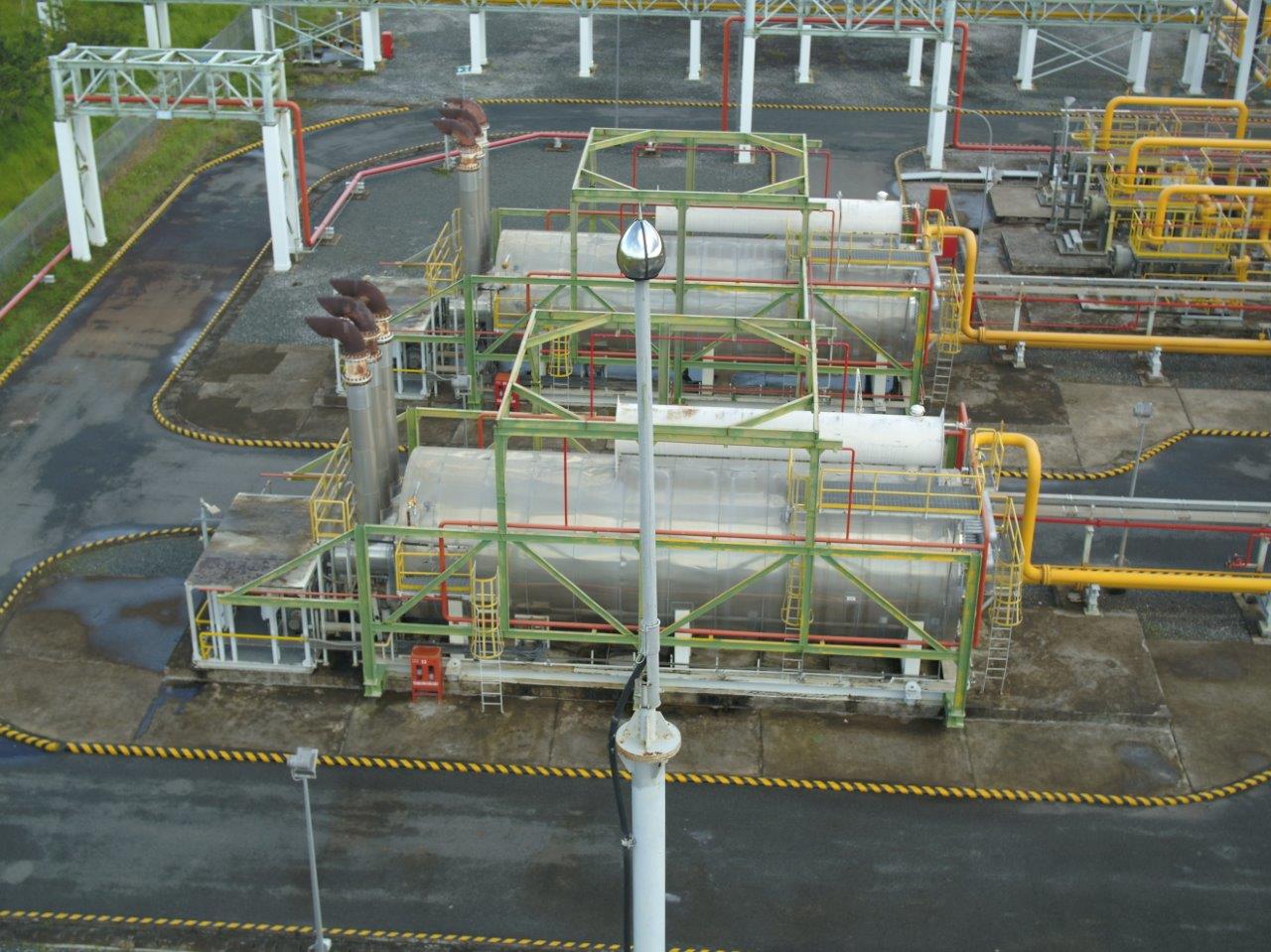
The petrochemical, oil, and gas industries are responsible for a range of applications from transport fuels to the manufacture of chemicals and pharmaceuticals. They are critical to global energy supply and economic stability. However, their electrical installations are vulnerable to lightning strikes and the materials involved are typically flammable or explosive. LPI specialises in dealing with lightning protection of hazardous areas such as those encountered in these industries.
Recognising the specific demands of petrochemical, oil and gas industries, we prioritise delivering tailored solutions that address the critical risks of lightning strikes and electrical surges at every stage of operation and location, including:
- Terminals and tank farms
- Gas processing and distribution sites
- Pipelines
- Refineries
- Offshore platforms and production rigs
Comprehensive Lightning Protection Approach
LPI recommends a comprehensive approach to lightning protection. This approach is comprised of four key steps: Direct Strike Protection, Surge Protection, Earthing and Bonding, and Personal Protection. Each of these steps plays a crucial role in the overall protection strategy. LPI's four-step approach must be applied holistically to mitigate all types of lightning risks.


 Earthing and Bonding
Provide a low impedance reference earth and bond all conductive elements to minimise voltage differences.