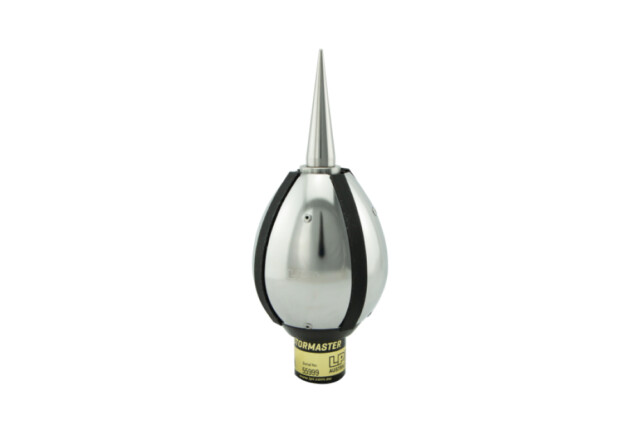
Stormaster ESE
STORMASTER-ESE-15-SS
2 Product Codes
Mining operations are very vulnerable to lightning strikes due to their expansive and exposed infrastructure. Lightning strikes pose significant risks, including damage to critical systems, equipment, storage of explosives, and processing and refining systems, as well as serious safety hazards to personnel in the field. Therefore, implementing a robust lightning protection system is crucial to safeguarding mining operations.
Effective lightning protection is crucial to ensure the safety of personnel, protect equipment, and maintain uninterrupted operations. Lightning effects commonly seen on mine sites include:
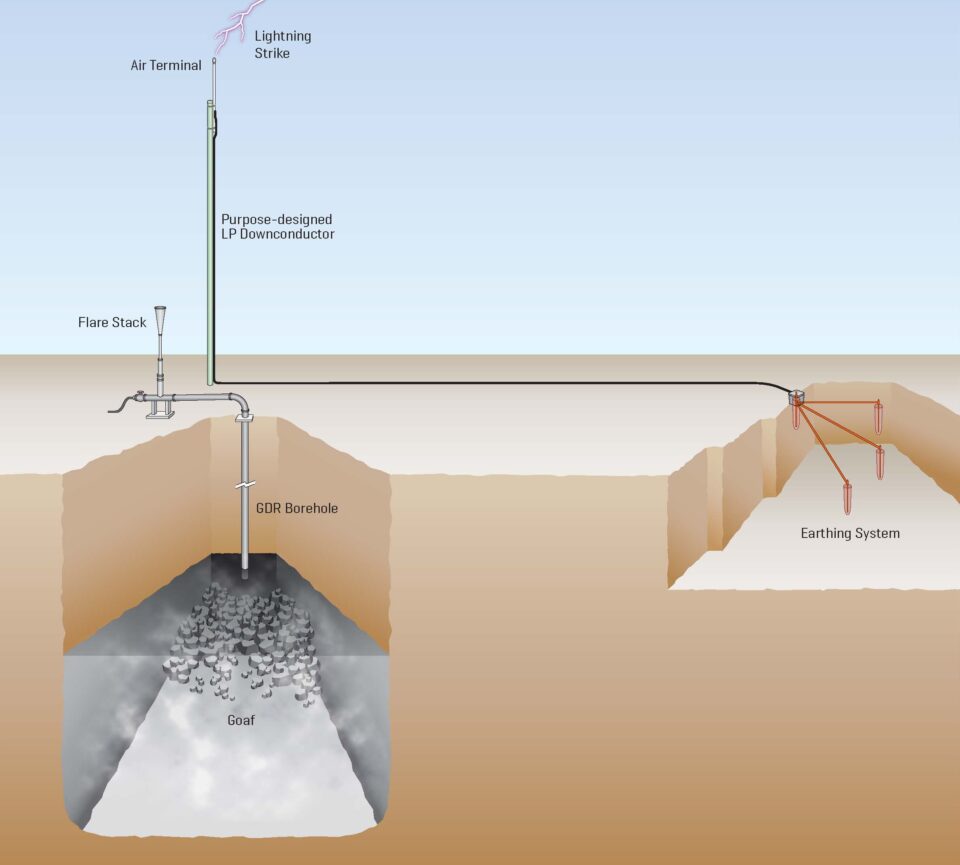
Stormaster or Guardian Plus air terminal
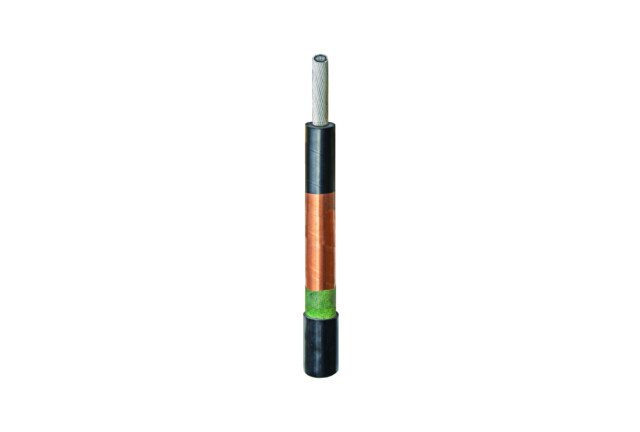
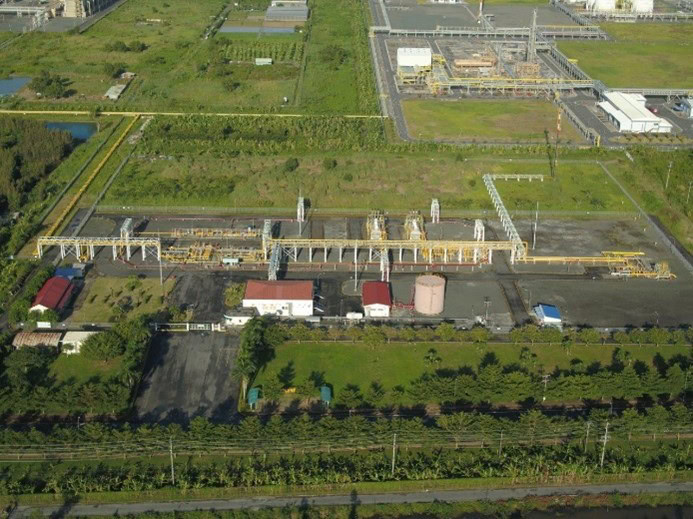
Lightning protection for mining sites is essential due to the high risk of lightning strikes in open and elevated areas. These strikes can damage equipment, disrupt operations, and endanger personnel. Properly implemented, the comprehensive approach below reduces downtime, prevents repairs, and enhances safety and efficiency. Such an approach is crucial for operational continuity and safeguarding assets and personnel in mining environments.
LPI recommends a comprehensive approach to lightning protection. This approach is comprised of four key steps: Direct Strike Protection, Surge Protection, Earthing and Bonding, and Personal Protection. Each of these steps plays a crucial role in the overall protection strategy. LPI's four-step approach must be applied holistically to mitigate all types of lightning risks.
 Earthing and Bonding
Provide a low impedance reference earth and bond all conductive elements to minimise voltage differences.
results for Searching for No Results for "" found Suggested search ""
Risk Analysis
LPI can evaluate the risk to your building or facility, the contents and the occupants and then provide recommendations on ligning protection solutions.
Consultancy
LPI provides specialised engineering consulting services in lightning protection, earthing, and transient & surge protection.
Design Service
LPI can complete customised designs for your project.
Direct Strike
Shield critical assets from the devastating impact of direct lightning strikes.
Surge Protection
Employ surge protection devices and other specialized equipment to defend against incoming surges and transients.
Earthing and Bonding
Create a unified electrical path that dissipates fault currents and equalizes potentials.
Personal Protection
Ensuring safety measures for individuals against lightning hazards.