Lightning Protection for Utilities
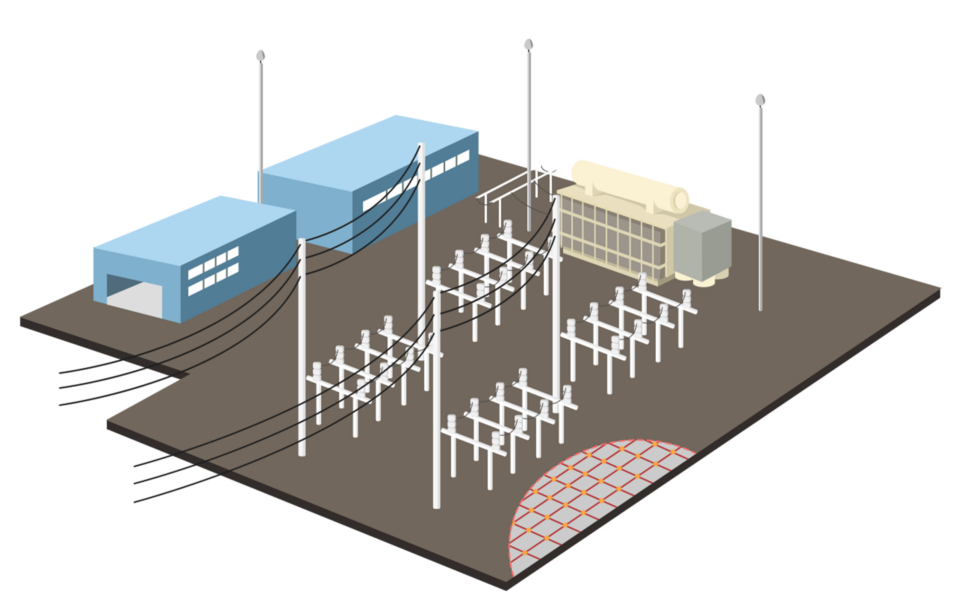
Lightning protection for utilities, comprising energy, water, and gas production, transmission and distribution systems, is essential to maintain service reliability and safety. Well-designed lightning protection solutions prevent damage to critical infrastructure and equipment, ensure uninterrupted service delivery, and safeguard against operational disruptions. These measures protect both the utility systems and the communities that rely on them.
Protecting Renewable Energy Facilities: Comprehensive Lightning Solutions for Wind, Solar, BESS, and Hydrogen
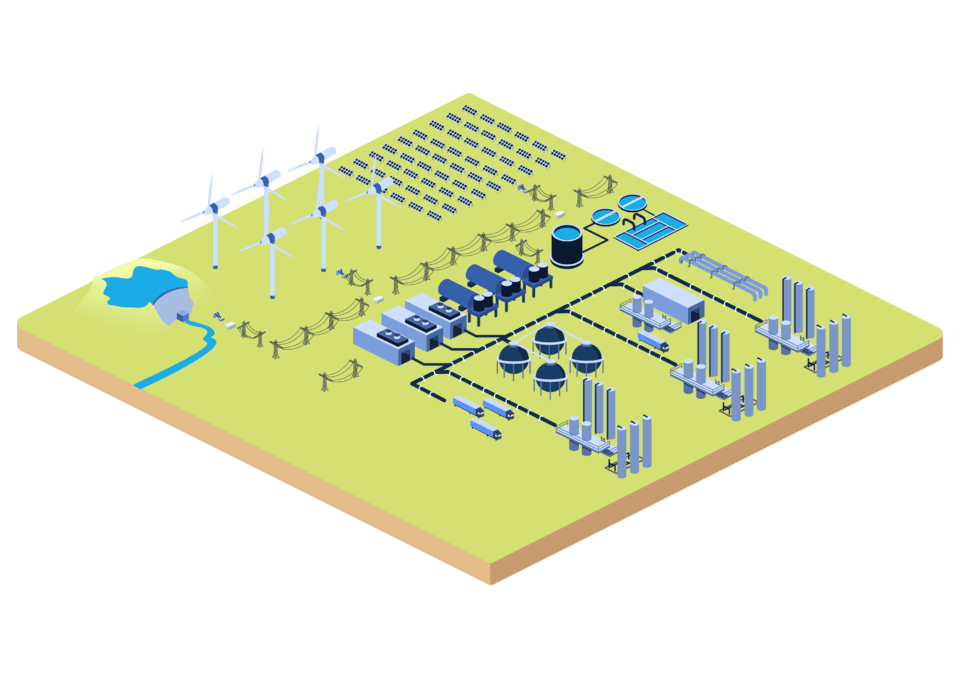
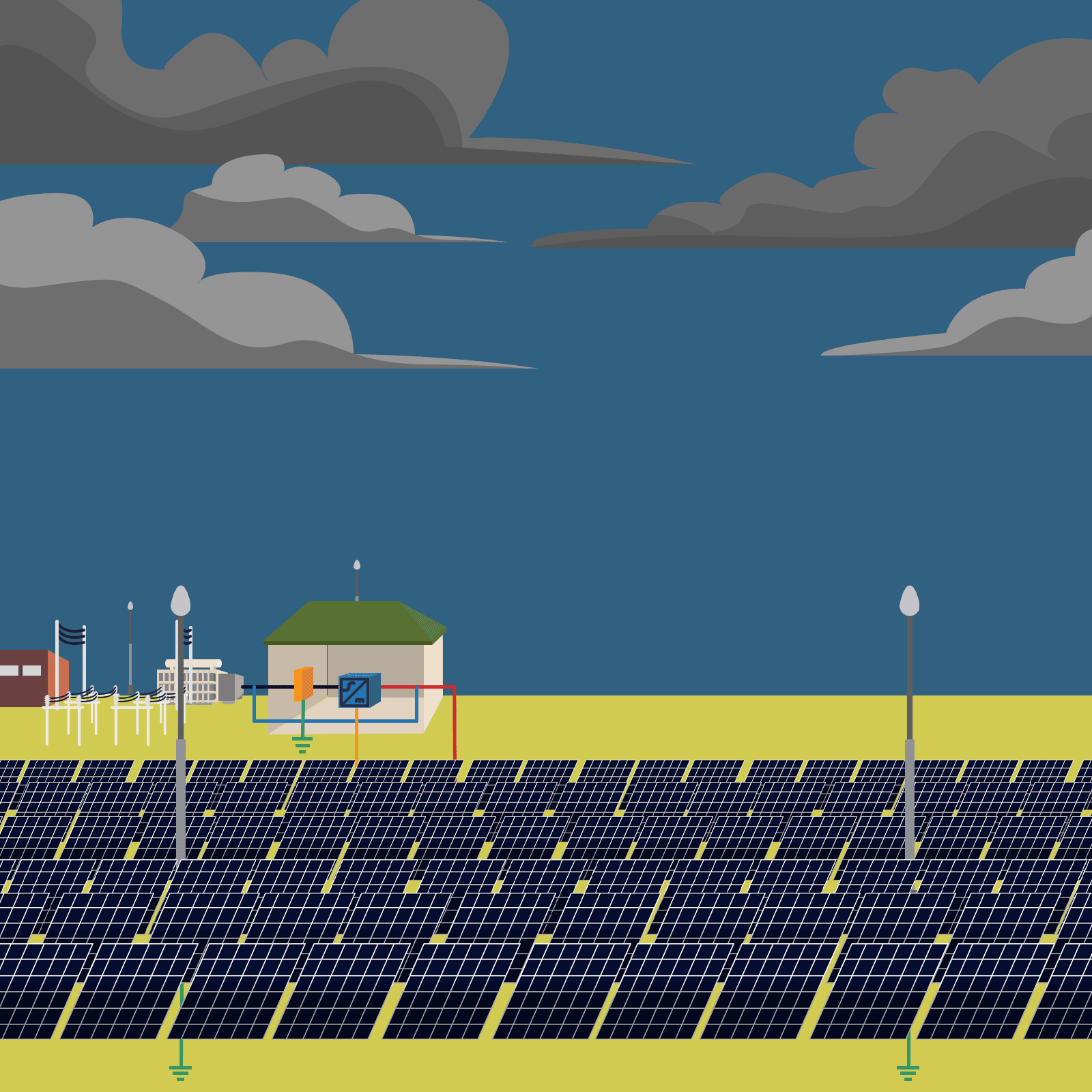
Power generation facilities, including solar and wind farms, along with collocated facilities such as battery energy storage systems (BESS), and hydrogen, ammonia & methanol plants, are essential components of the renewable energy infrastructure. However, these installations are highly susceptible to damage from lightning strikes due to their exposed nature, extensive electrical systems, and hazardous environments or materials. Effective lightning protection is paramount to ensure the safety of personnel, protect valuable equipment, avoid catastrophic fires, and maintain uninterrupted energy production.
By implementing comprehensive protection measures and adhering to best practices, these facilities can minimise the risks associated with lightning strikes, such as:
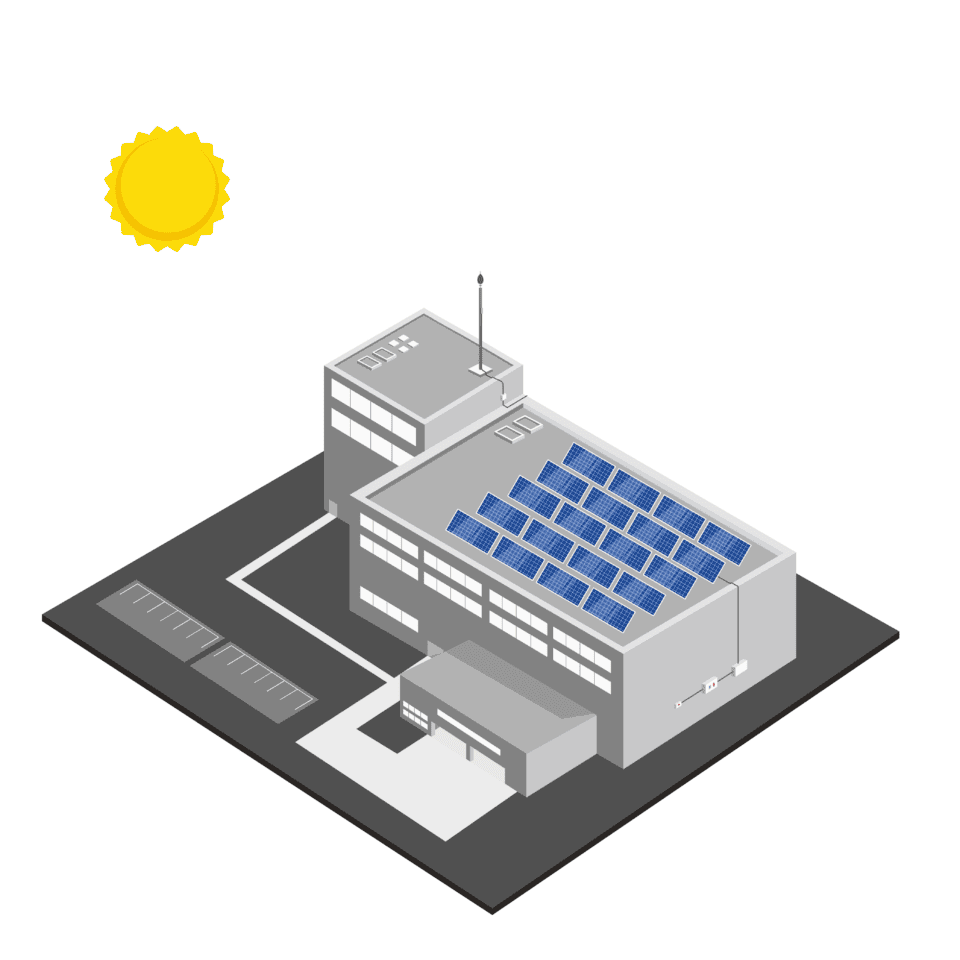
- Direct strikes on solar farms – a direct strike can cause physical damage to solar panels, including shattered glass and melted components, leading to significant repair costs and downtime.
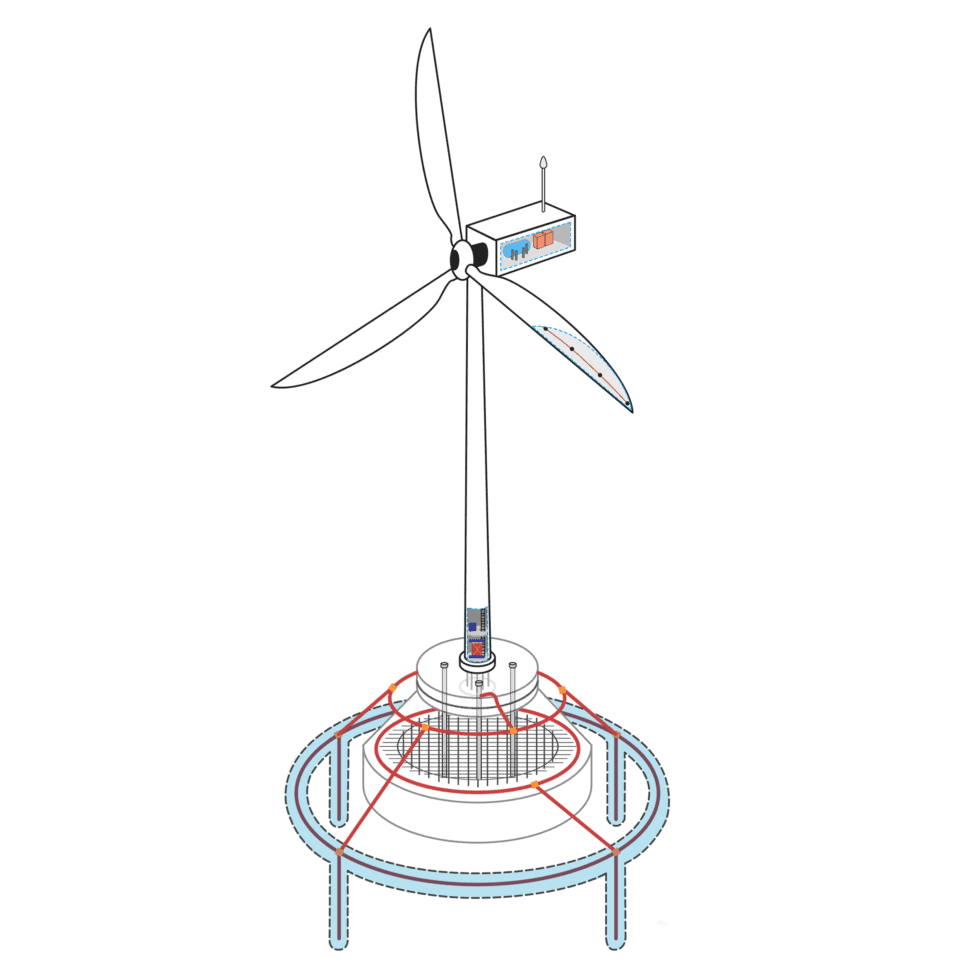
- Direct strikes on wind farms – a direct strike to a turbine can damage the blades, generator, and other internal components, resulting in extensive repairs and prolonged outages.
- Indirect transients - nearby lightning strikes induce large overvoltages in the extensive wiring associated with renewable systems, leading to equipment damage.
- Earth potential rise – lightning-induced voltage differences in the ground can generate damaging surges between interconnected equipment on a site, leading to safety hazards and operational disruptions.
- Fire hazards – power and renewable energy facilities often contain combustible materials such as lubricants, insulation, and vegetation, which can be ignited by lightning strikes. Collocated facilities such as green hydrogen plants house flammable materials that can give rise to catastrophic consequences if ignited.