Lightning Protection for Telecommunications and Broadcasting
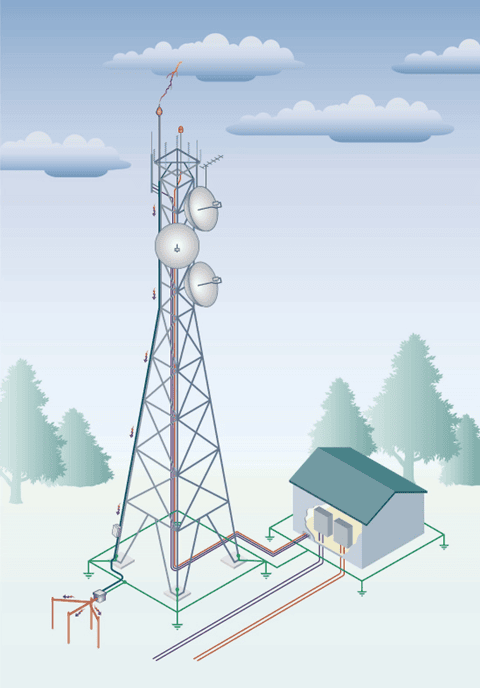
Telecommunications infrastructure is essential for providing communication networks from personal communication to critical emergency services. Telecommunication, radio, and TV towers are typically the tallest structures in their areas. As such, the frequency of lightning strikes to these towers is enhanced, so robust lightning protection is essential. Contrary to popular belief, just because these towers are made of steel, it does not mean that damage does not occur. The indirect effects of such frequent strikes cause large surges and subsequent equipment damage and downtime at unprotected or poorly protected facilities.
Effective lightning protection is crucial to ensure the reliability and safety of telecommunications and broadcasting systems. Damage commonly seen at these facilities include:
- Network disruption – telecommunications networks must remain operational 24/7. Lightning strikes can cause significant disruptions, leading to service outages and affecting millions of users.
- Equipment damage – lightning-induced surges can damage equipment, including sensitive and expensive equipment such as antennas, base stations, servers. rectifiers and inverters.
- Risk to personnel – workers who maintain and operate telecommunications facilities are at risk from lightning strikes. Proper protection measures are crucial to ensure their safety.
- Data corruption – lightning strikes can lead to data corruption or loss, impacting both consumers and businesses.
-
Safeguarding Global Communication Networks from Lightning Disruptions
Telecommunication involves the transmission of information via technologies like wire, radio, optical, or other electromagnetic systems, enabling data exchange across vast distances. The telco system comprises equipment, protocols, and technologies essential for this process. In our interconnected world, maintaining safe and uninterrupted networks is critical, as disruptions can impact global production and daily life.
Telecommunication facilities are particularly vulnerable to transient overvoltage surges from lightning due to their extensive infrastructure. Electronic devices, cables, antennas, and towers are prone to capturing electromagnetic energy from lightning, leading to potential breakdowns. Such failures can cause significant loss of life, property damage, and other serious consequences.
Comprehensive Lightning Protection Approach
LPI recommends a comprehensive approach to lightning protection. This approach is comprised of four key steps: Direct Strike Protection, Surge Protection, Earthing and Bonding, and Personal Protection. Each of these steps plays a crucial role in the overall protection strategy. LPI's four-step approach must be applied holistically to mitigate all types of lightning risks.


 Earthing and Bonding
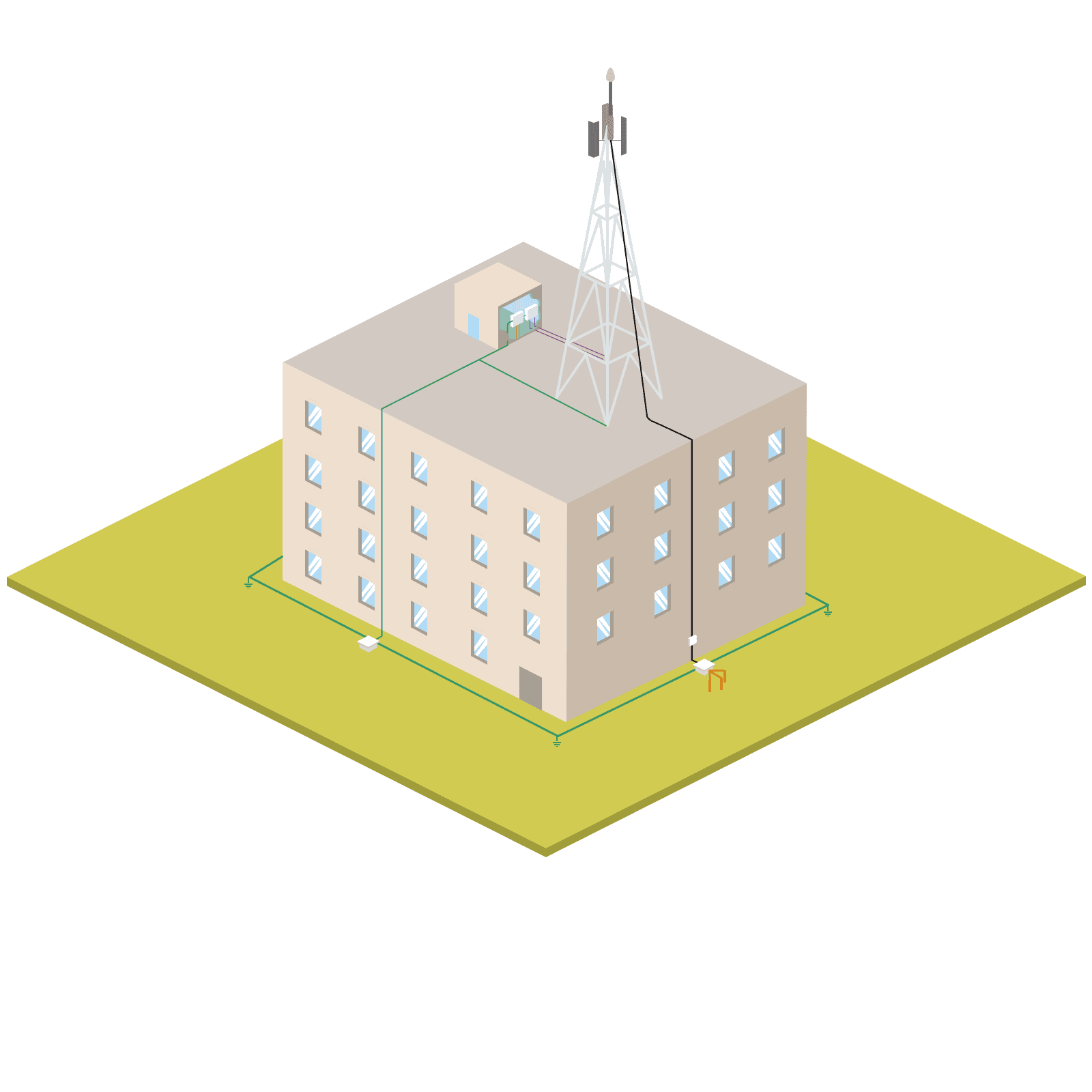
Provide a low impedance reference earth and bond all conductive elements to minimise voltage differences.