


Lightning Protection for Buildings & Structures
Lightning protection for buildings and structures is critical to safeguarding occupants, equipment, and the integrity of the infrastructure. Lightning strikes pose significant risks, including damage to sensitive electronic equipment, potential fire hazards from ignited materials, and interruptions to operations that can affect productivity and safety.
Implementing effective lightning protection systems is essential to mitigate potential issues
- Equipment and infrastructure damage – lightning strikes can cause significant damage to critical equipment, such as HVAC systems, electrical panels, communication networks, control systems, UPS, rectifiers and inverters, fire alarm panels, etc.
- Fire prevention – flammable materials or fuels stored inside the building could ignite if struck by lightning, leading to catastrophic fires.
- Preventing operational disruption – lightning strikes can disrupt building operations, impacting business continuity, productivity, and revenue.
- Visitor and staff safety – lightning strikes pose safety risks to visitors and staff. Effective warning of impending lightning strikes and safety protocols ensure protection of people during thunderstorms.
- Historic / cultural preservation – historic and cultural buildings can be badly damaged, including valuable artifacts and contents, when direct strikes, lightning-induced fires, or electrical damage occurs in thunderstorms. Well-designed protection systems reduce risks and preserve cultural treasures.
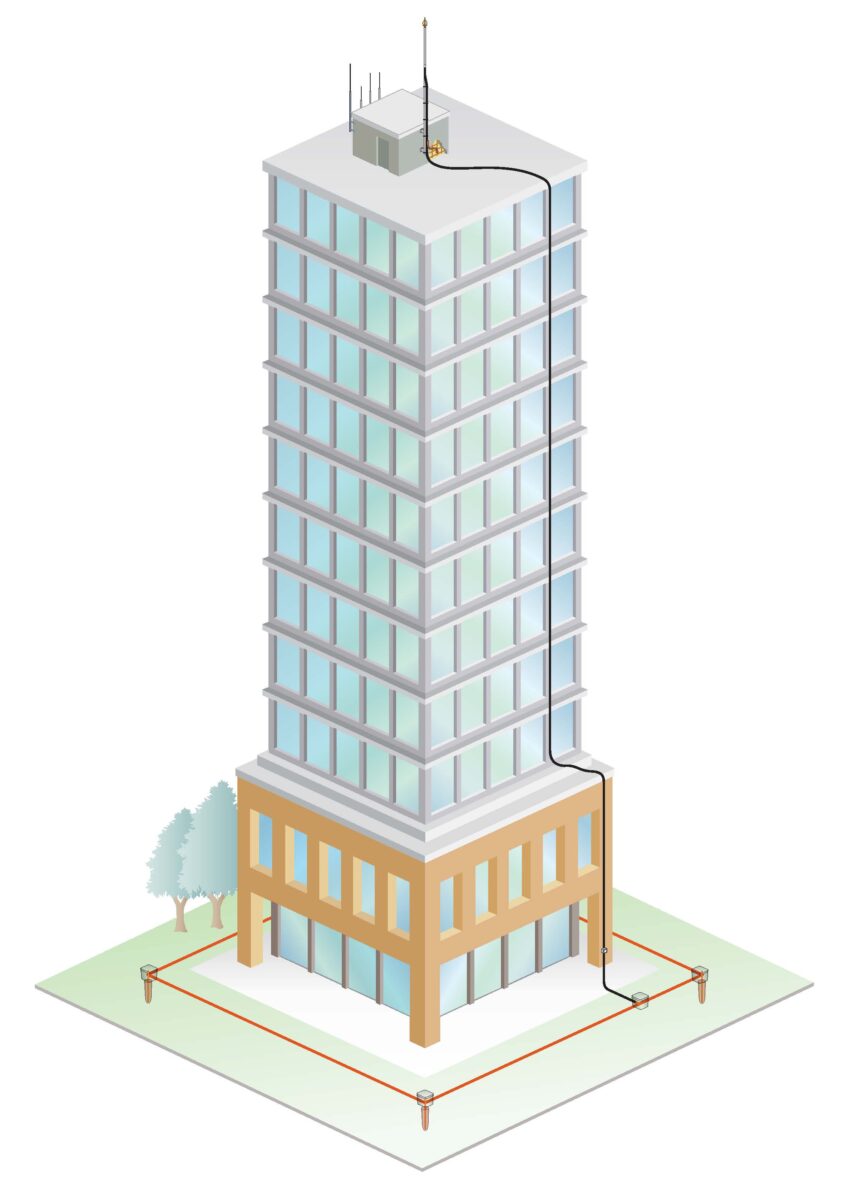
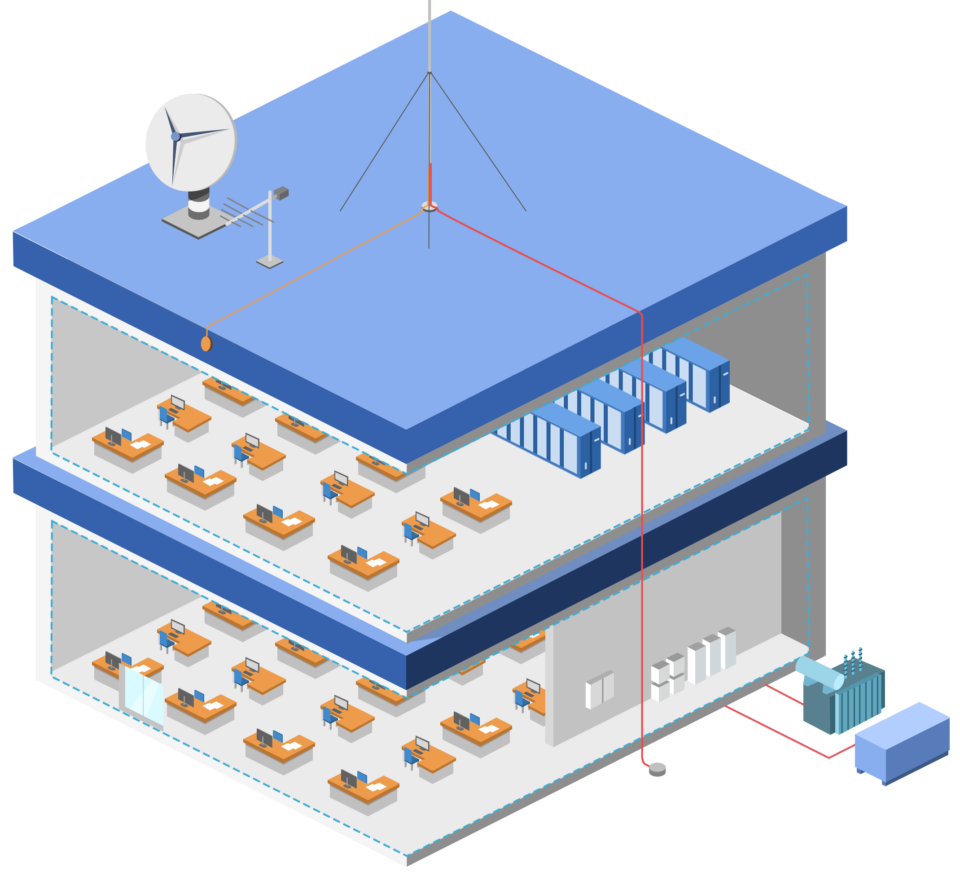

Direct Strike
Protect critical assets against direct lightning strikes.

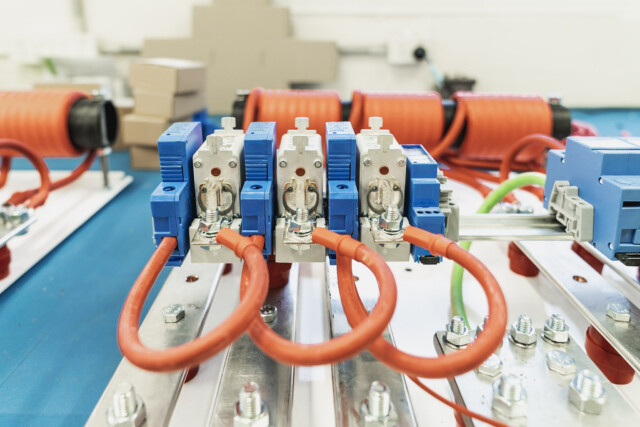
Surge Protection
Protect equipment against incoming surges and transients.

Earthing and Bonding
Provide a low impedance reference earth and bond all conductive elements to minimise voltage differences.

Personal Protection
Protect people.