


Lightning Protection for Telecommunications and Broadcasting
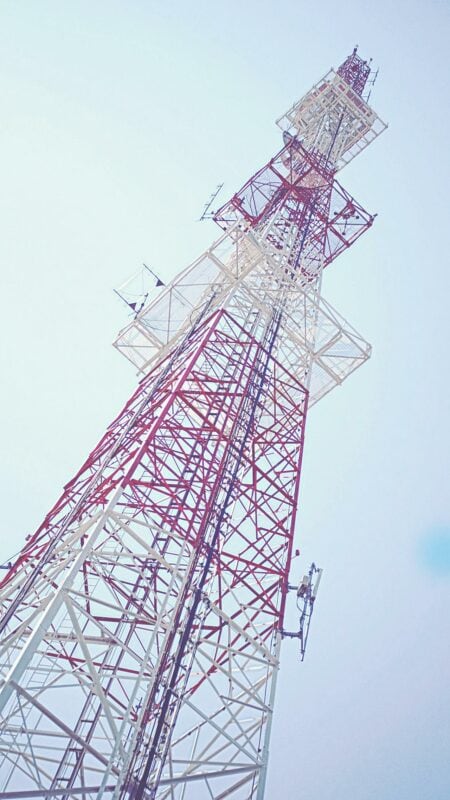
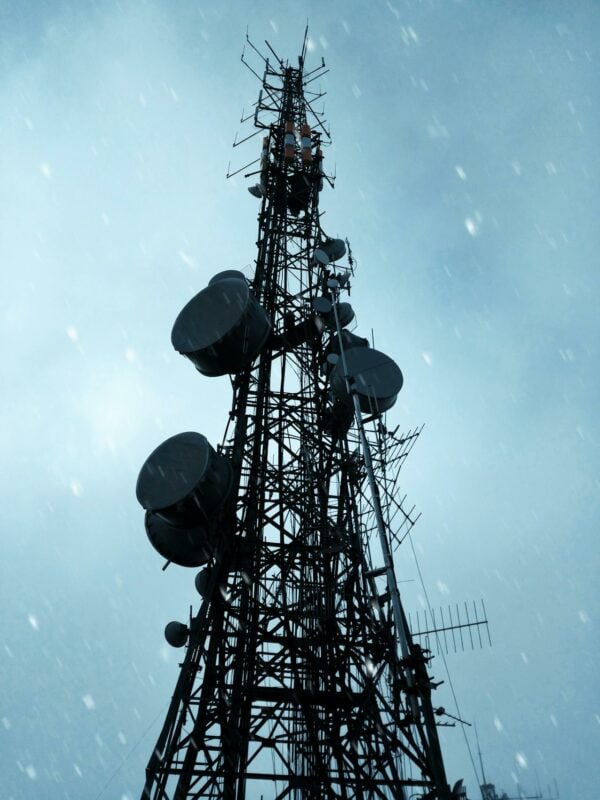
Telecommunications infrastructure is essential for providing communication networks from personal communication to critical emergency services. Telecommunication, radio, and TV towers are typically the tallest structures in their areas. As such, the frequency of lightning strikes to these towers is enhanced, so robust lightning protection is essential. Contrary to popular belief, just because these towers are made of steel, it does not mean that damage does not occur. The indirect effects of such frequent strikes cause large surges and subsequent equipment damage and downtime at unprotected or poorly protected facilities.
Effective lightning protection is crucial to ensure the reliability and safety of telecommunications and broadcasting systems. Damage commonly seen at these facilities include:
- Network disruption – telecommunications networks must remain operational 24/7. Lightning strikes can cause significant disruptions, leading to service outages and affecting millions of users.
- Equipment damage – lightning-induced surges can damage equipment, including sensitive and expensive equipment such as antennas, base stations, servers. rectifiers and inverters.
- Risk to personnel – workers who maintain and operate telecommunications facilities are at risk from lightning strikes. Proper protection measures are crucial to ensure their safety.
- Data corruption – lightning strikes can lead to data corruption or loss, impacting both consumers and businesses.
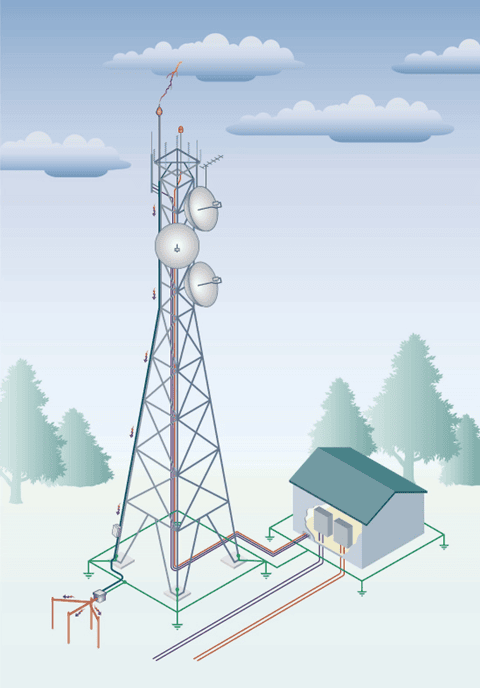
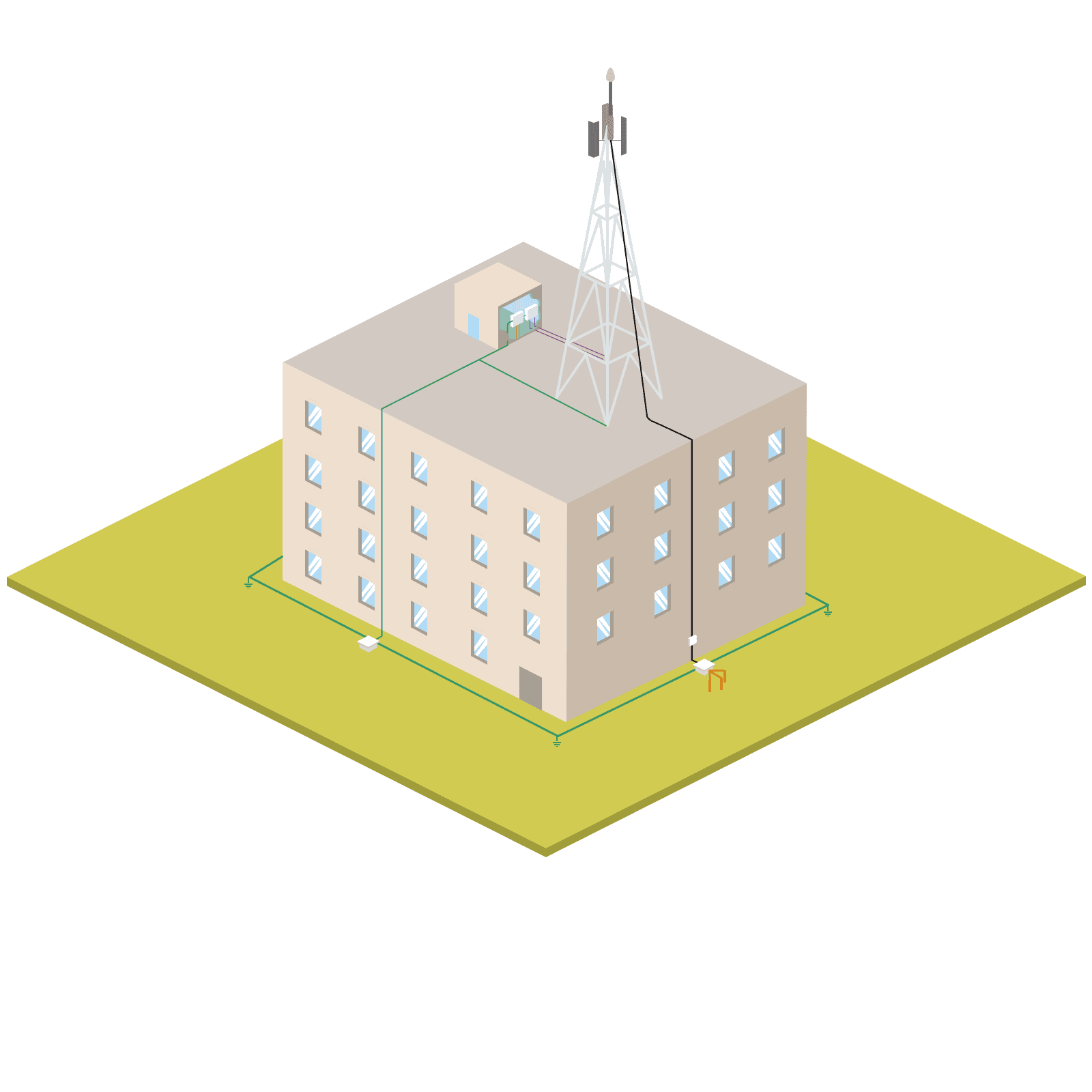

Direct Strike
Protect critical assets against direct lightning strikes.

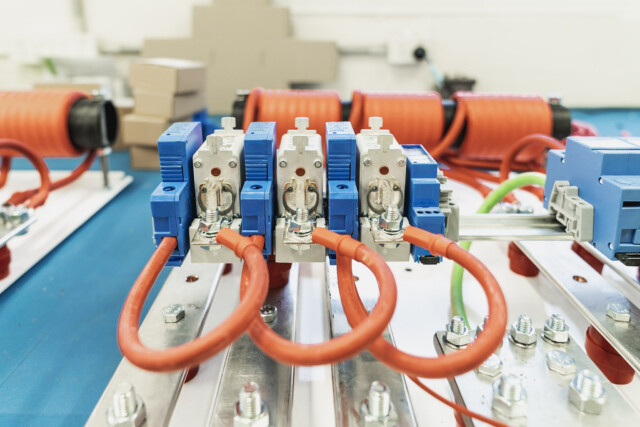
Surge Protection
Protect equipment against incoming surges and transients.

Earthing and Bonding
Provide a low impedance reference earth and bond all conductive elements to minimise voltage differences.

Personal Protection
Protect people.